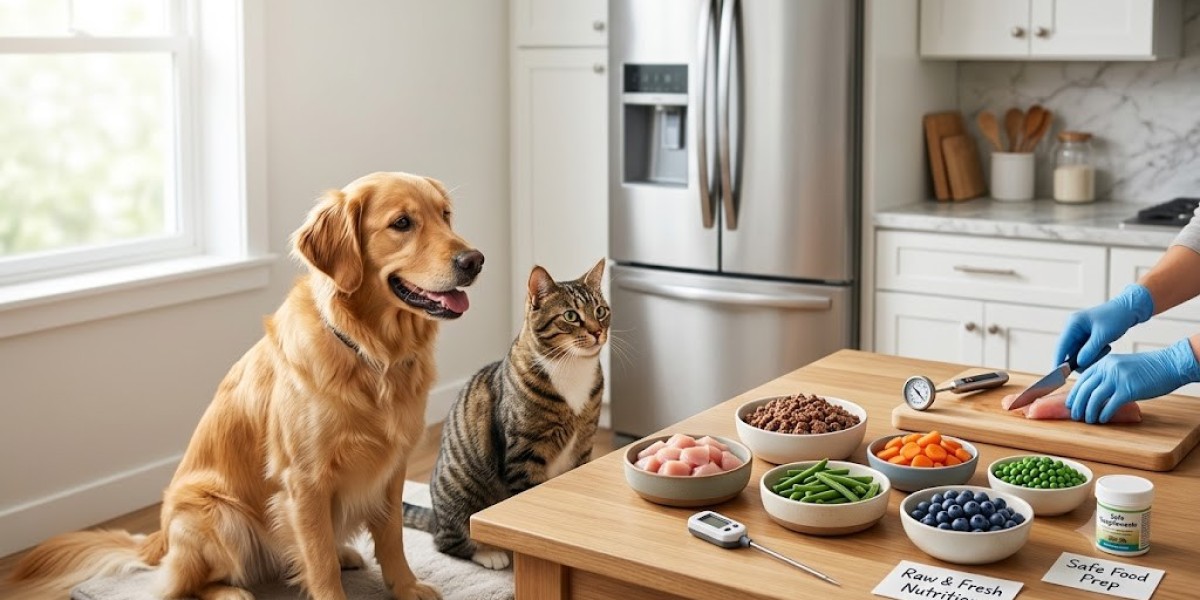
Many pet owners want to give their dogs and cats the best food possible. As interest in fresh, natural, and human-grade food continues to grow, more owners are considering meals made from ingredients they recognize. Some choose cooked fresh food supplies , while others prefer raw diets that include uncooked meat, bones, or organs. These diets can sound appealing, but they also come with important questions about nutrition, food safety, and proper preparation. Before changing a pet's regular diet, owners should understand both the possible benefits and the risks. Most importantly, a diet should meet the animal's nutritional needs and be suitable for its age, size, health, and lifestyle.
What Does Human-Grade Pet Food Mean?
The term "human-grade" generally suggests that ingredients or food are suitable for human food standards, but it does not automatically mean that a product is complete and balanced for dogs or cats. A pet's nutritional needs are different from those of humans.
For websites that share pet care advice, a WordPress theme for pets can be useful for organizing articles about feeding, grooming, training, veterinary care, and responsible pet ownership. A clean pet-focused website can make it easier for owners to find useful information and compare different approaches to pet nutrition.
When choosing food, owners should look beyond attractive labels. Check the ingredients, nutritional information, feeding instructions, and whether the food is designed to provide complete nutrition for the animal. If homemade food is intended to be the main diet, speaking with a veterinarian or veterinary nutritionist is a sensible step.
What is fresh food for pets?
Fresh pet food is usually made from recognizable ingredients and is commonly cooked before being packaged and refrigerated. It may contain ingredients such as meat, vegetables, grains, or other foods selected for pets.
Fresh food can be appealing to owners who want to move away from highly processed options. Some fresh pet foods are designed to provide complete nutrition, while others may be intended only as treats or food toppers.
The important point is that "fresh" does not automatically mean "better." Both fresh and traditional pet foods can be well balanced or nutritionally incomplete. Owners should check whether a food is appropriate as a complete diet.
What are raw diets?
Raw diets contain uncooked animal ingredients. They may include raw muscle meat, organ meat, bones, eggs, or other uncooked animal products.
Some pet owners believe raw food is more natural for dogs and cats. However, current guidance from the CDC does not recommend feeding raw pet food or treats to dogs and cats because raw animal products can carry harmful germs.
People who research pet websites may also come across freemium themes when looking for affordable ways to create pet blogs or animal-care websites. These themes can provide basic website features at no initial cost while offering optional paid features, making them useful for pet bloggers who want to publish educational content without a large starting budget.
Possible Benefits of Fresh Food
Fresh, properly prepared pet food can have some practical advantages. For example, some owners may find fresh meals easier to portion and serve. A cooked diet can also be made with clearly identified ingredients.
Some pets may prefer the taste or texture of certain fresh foods. This can be useful for owners dealing with picky eaters, although a pet's food preferences should not replace nutritional requirements.
Fresh food can also make it easier for owners to understand exactly what ingredients their pets are eating. However, the benefits depend heavily on the food's nutritional quality and how it is prepared.
Can Raw Food Be Healthier?
This is one of the most common questions about raw diets. The simple answer is that raw food is not automatically healthier than cooked food.
The CDC states that raw pet food is not necessarily healthier and that both raw and cooked diets can contain high- or low-quality ingredients and can be nutritionally balanced or inadequate.
Cooking can also change how the body handles certain nutrients. For example, the CDC notes that cooking can break down thiaminase in seafood, helping prevent thiamine deficiency in cats.
Therefore, choosing raw food simply because it is considered "natural" is not enough reason to make it a pet's main diet.
The Risk of Harmful Bacteria
The biggest concern with raw pet food is food safety. Raw meat and other animal proteins can contain bacteria such as Salmonella and Listeria.
The FDA has found that raw pet food can be more likely to contain disease-causing bacteria than other types of pet food.
These bacteria can potentially make pets sick. They can also spread around the home through food bowls, hands, kitchen surfaces, floors, and the pet itself.
This means raw feeding is not only a question about the pet's health. It can also affect the people living in the household.
Risks for People in the Household
Extra care is needed when young children, older adults, pregnant people, or people with weakened immune systems live in the home. These groups can be more likely to become seriously ill from foodborne germs.
Pets may not always appear sick after eating contaminated food. They can still potentially carry and spread harmful bacteria.
For this reason, families should think about the wider household before choosing a raw diet.
Nutritional Balance Is Important
Another major risk is nutritional imbalance. Dogs and cats need the right amounts of protein, fat, vitamins, minerals, and other nutrients.
A homemade meal containing meat and vegetables may look healthy but may not provide everything a pet needs. Feeding an unbalanced diet over a long period can lead to nutritional problems.
The FDA recommends looking for a "complete and balanced" nutritional statement when choosing food intended to be a pet's sole diet.
If owners want to prepare homemade meals, they should ask a veterinarian or qualified veterinary nutritionist for guidance.
Be Careful With Human Food
Human-grade ingredients do not mean every human food is safe for pets. Some common foods can be dangerous.
Chocolate, grapes and raisins, onions, garlic, caffeine, xylitol, alcohol, and some other foods can be harmful to dogs or cats. Bones can also cause injuries or digestive blockages.
Owners should never assume that something is safe simply because humans can eat it.
Safe Handling of Fresh and Raw Food
Food handling is especially important when working with raw ingredients. Wash your hands before and after handling pet food and clean bowls, utensils, and surfaces that come into contact with raw food.
Raw food should be kept separate from human food and stored at the correct temperature. Frozen raw food should be thawed safely in the refrigerator rather than left on the kitchen counter.
The FDA also recommends promptly refrigerating or safely disposing of unused pet food and maintaining good food-storage practices.
Fresh Cooked Food May Be an Alternative
Owners who like the idea of fresh ingredients but are concerned about raw food may consider properly prepared cooked pet food.
Cooking can reduce the risk of harmful bacteria compared with feeding raw animal products. The CDC lists cooked fresh pet foods among safer pet-food options, provided they meet the pet's nutritional needs.
However, homemade cooked food still needs to be nutritionally balanced. Simply cooking meat and vegetables is not necessarily enough for long-term feeding.
Talk to Your Veterinarian First
Every pet is different. A puppy, kitten, adult animal, senior pet, or animal with a health condition may have different nutritional needs.
Before changing a pet's main diet, discuss the plan with a veterinarian. They can consider the animal's age, weight, activity level, health history, and nutritional requirements.
This is especially important when considering homemade or raw diets.
Final Thoughts
Fresh and human-grade pet foods can be attractive choices for owners who want to know more about what their dogs and cats are eating. Properly prepared fresh cooked food may offer a useful option when it is complete and balanced for the pet.
Raw food, however, comes with important safety concerns. Current CDC guidance does not recommend raw pet food because of the risk of harmful bacteria, while FDA guidance also highlights foodborne illness risks.
The best diet is not simply the one that sounds the most natural. It provides the right nutrition while keeping both pets and people safe. Before making a major dietary change, pet owners should check the food's nutritional quality and speak with a veterinarian for advice suited to their individual animal.