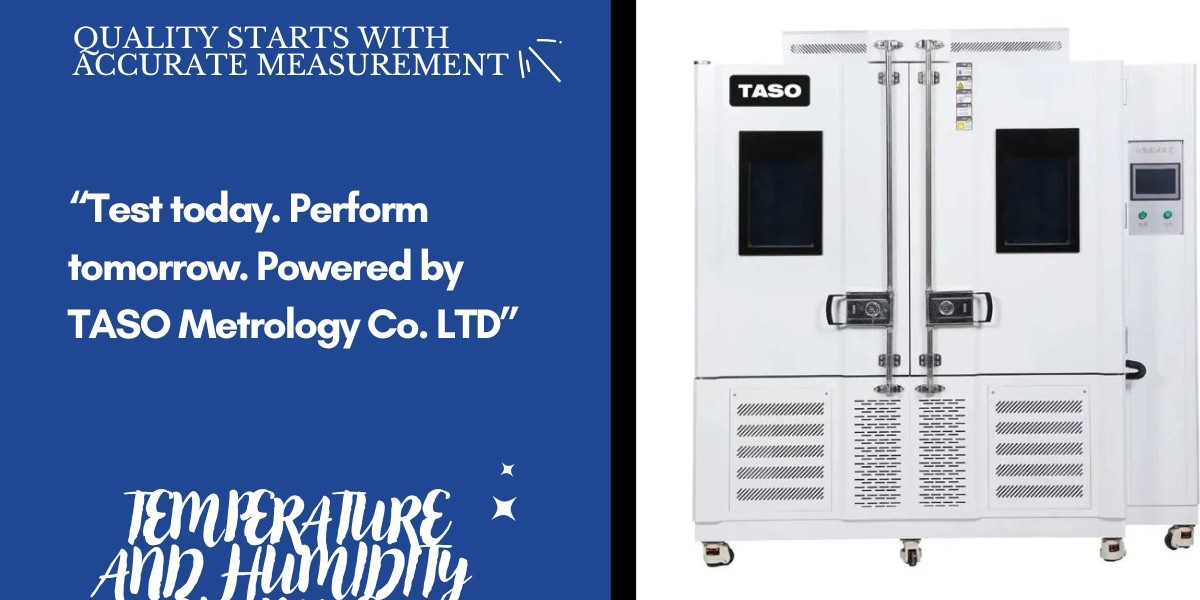
If your products need to perform reliably in real-world environments, investing in the right temperature and humidity chamber is one of the smartest decisions your business can make. Whether you're testing electronics, automotive parts, medical devices, aerospace components, or industrial materials, environmental testing helps ensure quality, compliance, and long-term reliability.
However, choosing the right chamber isn't as simple as selecting a size or price. There are multiple factors to consider, including temperature range, humidity control, chamber volume, testing standards, and automation capabilities.
In this buying guide, we'll explain everything you need to know before purchasing a temperature and humidity chamber , helping you make an informed decision that delivers long-term value.
What Is a Temperature and Humidity Chamber?
A temperature and humidity chamber is an environmental testing system designed to simulate various climatic conditions by precisely controlling temperature and relative humidity.
Manufacturers use these chambers to determine how products respond to:
- High temperatures
- Low temperatures
- High humidity
- Low humidity
- Rapid environmental changes
- Long-term aging conditions
These tests reveal weaknesses before products reach customers, reducing warranty claims and improving product quality.
What Is a Climate Test Chamber?
A climate test chamber is another name commonly used for a temperature and humidity chamber. Both terms describe equipment that recreates environmental conditions inside a controlled testing enclosure.
Modern climate chambers allow engineers to simulate years of environmental exposure within days or weeks, making product development faster and more reliable.
Why Environmental Testing Is Important
Environmental testing is no longer optional for many industries.
Companies perform climate testing to:
- Improve product reliability
- Meet international quality standards
- Reduce product failures
- Validate new product designs
- Shorten development cycles
- Ensure customer satisfaction
- Verify material durability
Without proper testing, products may fail unexpectedly when exposed to heat, cold, moisture, or changing weather conditions.
Industries That Use Temperature and Humidity Chambers
Environmental testing is essential across many industries.
Electronics
Manufacturers test:
- Printed circuit boards
- Batteries
- Sensors
- Displays
- Consumer electronics
Testing ensures components continue functioning under extreme environmental conditions.
Automotive
Automotive suppliers evaluate:
- Electronic control units
- Interior materials
- Lighting systems
- Connectors
- Rubber components
These tests help guarantee long-term vehicle reliability.
Aerospace
Aircraft components experience extreme temperature variations.
Environmental chambers validate:
- Avionics
- Composite materials
- Wiring systems
- Structural components
Medical Devices
Medical equipment must remain accurate despite changing storage and operating conditions.
Manufacturers test:
- Diagnostic devices
- Monitoring equipment
- Laboratory instruments
- Medical packaging
Industrial Manufacturing
Factories test:
- Plastic products
- Packaging materials
- Coatings
- Adhesives
- Metal components
Key Features to Look For Before Buying
Not every temperature and humidity chamber offers the same capabilities.
Consider the following factors before making a purchase.
1. Temperature Range
Choose a chamber capable of handling your required testing conditions.
Many industrial chambers support:
- Extremely low temperatures
- High-temperature testing
- Stable temperature control
- Wide operating ranges
A broader range increases testing flexibility.
2. Humidity Control Accuracy
Humidity significantly affects many products.
Look for systems that provide:
- Stable humidity generation
- Accurate humidity control
- Fast recovery times
- Uniform humidity distribution
Precise humidity control ensures repeatable testing results.
3. Chamber Size
Think beyond today's testing needs.
Available chamber sizes include:
- Benchtop models
- Medium-capacity chambers
- Walk-in environmental chambers
- Custom-built solutions
Choose a chamber with enough room for future projects without sacrificing efficiency.
4. Temperature Uniformity
Consistent internal conditions produce reliable testing.
High-quality chambers maintain uniform temperature throughout the testing area, preventing inconsistent results.
5. Programmable Testing Cycles
Modern environmental chambers allow users to automate testing.
Look for features such as:
- Multi-step programming
- Automatic cycling
- Long-duration testing
- Repeatable profiles
- Scheduled operation
Automation reduces operator workload while improving testing consistency.
6. Data Logging
Reliable testing requires accurate records.
Modern systems typically include:
- Temperature history
- Humidity records
- Exportable reports
- Remote monitoring
- USB or network connectivity
This simplifies quality documentation and regulatory compliance.
7. Energy Efficiency
Energy costs can become significant during continuous operation.
Efficient chambers offer:
- Improved insulation
- Smart refrigeration systems
- Energy-saving control modes
- Reduced operating costs
Questions to Ask Before Purchasing
Before selecting a climate test chamber , ask the following questions:
- What temperature range do I need?
- What humidity levels are required?
- How large are my test samples?
- Which testing standards must I follow?
- Will my testing needs increase in the future?
- How important is automation?
- What maintenance support is available?
- Does the supplier provide calibration services?
Answering these questions helps narrow down the best solution.
Common Testing Standards
Many industries require compliance with international environmental testing standards.
These may include:
- IEC standards
- MIL standards
- ASTM standards
- ISO testing requirements
- JEDEC testing procedures
Your selected chamber should support the testing profiles required by your industry.
Benefits of Choosing the Right Temperature and Humidity Chamber
Investing in the right equipment provides long-term business advantages.
These include:
- Faster product development
- Improved product reliability
- Lower manufacturing risks
- Better quality assurance
- Reduced product recalls
- Higher customer confidence
- Compliance with industry standards
- Lower long-term operating costs
Why Choose TASO Metrology?
Selecting the right equipment supplier is just as important as selecting the chamber itself.
TASO Metrology provides advanced environmental testing solutions designed for laboratories, manufacturers, and quality control facilities across global industries.
Advantages include:
- High-precision environmental testing equipment
- Reliable temperature and humidity control
- User-friendly control systems
- Durable industrial construction
- Flexible chamber configurations
- Custom testing solutions
- Professional technical support
- Global service capabilities
Whether you need a compact laboratory unit or a fully customized climate test chamber , TASO Metrology offers dependable solutions that help businesses maintain consistent testing performance.
Maintenance Tips for Long-Term Performance
Proper maintenance extends equipment life and maintains testing accuracy.
Best practices include:
- Clean the chamber regularly
- Inspect door seals for leaks
- Calibrate sensors periodically
- Check refrigeration performance
- Replace worn components promptly
- Keep airflow unobstructed
- Schedule preventive maintenance
Routine servicing minimizes downtime and ensures dependable operation.
Final Thoughts
Choosing the right temperature and humidity chamber requires more than comparing prices. You need equipment that delivers precise environmental control, reliable performance, scalability, and compliance with your industry's testing requirements.
By understanding chamber specifications, evaluating testing needs, and partnering with an experienced supplier like TASO Metrology , you can confidently invest in a solution that supports product innovation, quality assurance, and long-term business success.
Whether you're expanding a quality lab or upgrading existing testing equipment, the right climate test chamber will become a critical asset in delivering durable, reliable, and high-quality products to the market.
FAQs
1. What is a temperature and humidity chamber used for?
It simulates controlled environmental conditions to test how products perform under different temperatures and humidity levels before they reach the market.
2. Is a climate test chamber the same as a temperature and humidity chamber?
Yes. The terms are often used interchangeably to describe equipment that performs environmental simulation testing.
3. Which industries benefit most from environmental chambers?
Electronics, automotive, aerospace, medical devices, pharmaceuticals, plastics, packaging, and industrial manufacturing all rely on environmental testing.
4. How do I choose the right chamber size?
Consider your current sample sizes, expected future testing requirements, available lab space, and testing frequency.
5. Why should I choose TASO Metrology?
TASO Metrology offers precision-engineered environmental testing solutions with reliable performance, advanced controls, customizable options, and professional technical support for manufacturers worldwide.