Color can change the entire personality of a piece of fabric. A plain cotton cloth may look simple at first, yet a carefully selected shade can turn it into an attractive material for clothing, home furnishings, or fashion accessories. Dyeing Fabric plays an important role in this transformation, giving textile manufacturers greater control over appearance, color depth, and product identity.
Different fibers respond to dyes in different ways. Cotton absorbs many water-based dyes well, making it suitable for everyday garments, printed textiles, and household fabrics. Polyester requires dyes suited to synthetic fibers, often involving heat to help the color penetrate the material. Wool and silk have their own characteristics, so dye selection and processing conditions need to match the fiber composition. Understanding these differences helps textile buyers choose materials that suit their product requirements.
The dyeing process usually involves several stages. Fabric preparation removes substances that may interfere with color absorption. The material then enters a dye bath or another suitable coloring system, where temperature, dye concentration, processing time, and pH can influence the result. After coloring, rinsing and subsequent treatments help remove excess dye and bring the fabric closer to its required appearance.
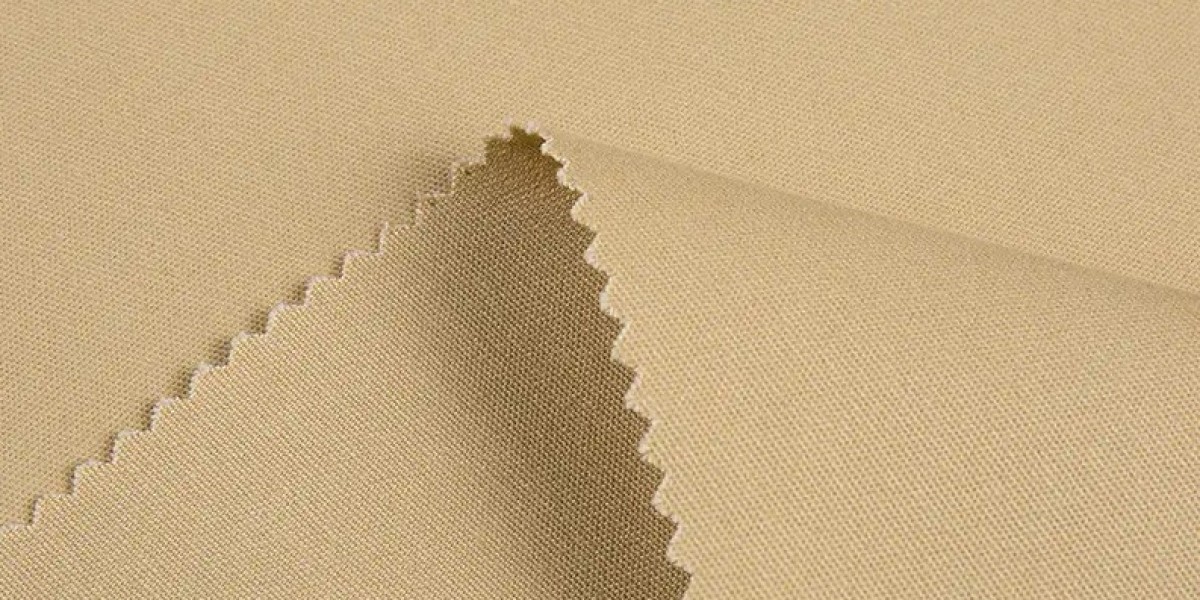
Color also influences how customers perceive a textile product. Soft beige may suit minimalist bedding, whereas bright orange can attract attention in sportswear or promotional accessories. Melange effects, deep solid shades, and washed appearances create different visual impressions, even when the base material remains similar. These choices allow designers and manufacturers to develop distinct product ranges.
When sourcing dyed textiles, B2B buyers should consider fiber content, fabric construction, color fastness, shade tolerance, and intended application. They should also confirm whether the supplier can handle the required fabric width, weight, and order specifications. Asking for laboratory dips or sample yardage before bulk production helps both parties assess color accuracy.
Dyeing Fabric combines material knowledge, chemical selection, and process control. When these elements work together, textile manufacturers can produce fabrics that meet defined visual and functional requirements, helping clothing brands, wholesalers, and fabric distributors serve their target markets.