
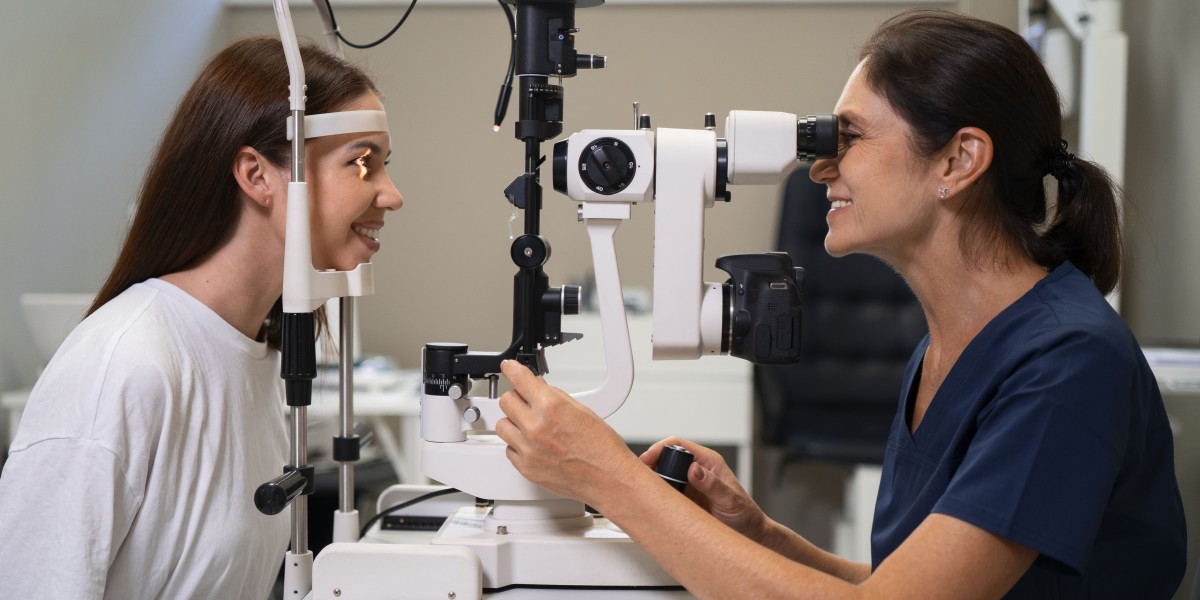
Protecting vision requires more than simply correcting refractive errors with glasses or contact lenses. Many eye diseases begin deep within the retina, where gradual structural changes often develop without pain or noticeable symptoms. Because these conditions may remain hidden until vision has already been affected, regular retina monitoring has become one of the most valuable aspects of preventive eye care.
The retina is responsible for converting light into electrical signals that travel to the brain, making it essential for clear and detailed vision. Any damage to this delicate tissue can interfere with everyday visual function and reduce quality of life. Modern ophthalmology emphasizes routine retinal evaluation because early identification of abnormalities allows clinicians to begin appropriate management before permanent vision loss occurs.
Advances in retinal imaging have made routine monitoring faster, more accurate, and more informative than ever before. By comparing retinal findings over time, eye care professionals can recognize subtle changes, evaluate disease progression, and make timely treatment decisions that support lifelong eye health.
Why Retinal Health Deserves Continuous Attention
The retina contains millions of light-sensitive cells and an intricate network of blood vessels that work together to produce clear vision. Because these structures are extremely delicate, they can be affected by aging, chronic medical conditions, and inherited eye diseases.
Maintaining retinal health supports:
- Clear central vision
- Healthy peripheral vision
- Accurate color perception
- Strong contrast sensitivity
- Fine visual detail
- Comfortable daily vision
Regular monitoring helps ensure that these functions remain protected throughout life.
Many Eye Diseases Progress Silently
One of the greatest challenges in ophthalmology is that numerous retinal disorders develop without obvious symptoms during their earliest stages. Individuals may believe their eyes are healthy simply because they can still see well.
Conditions that often progress silently include:
- Diabetic retinal changes
- Age-related macular degeneration
- Retinal vascular disorders
- Hypertensive retinal damage
- Peripheral retinal degeneration
- Certain hereditary retinal diseases
Routine retinal examinations allow these conditions to be identified before they begin affecting vision.
The Importance of Early Detection
Early diagnosis provides clinicians with the opportunity to manage retinal disease before permanent damage occurs. Detecting structural abnormalities at an early stage often improves treatment success and reduces the likelihood of vision loss.
Early detection offers several important benefits:
- Timely clinical intervention
- Better preservation of visual function
- Reduced disease progression
- Improved treatment planning
- Greater opportunity for preventive care
Routine retinal monitoring plays a central role in maintaining long-term ocular health.
How Regular Monitoring Improves Clinical Decisions
Retinal health changes gradually over time. Comparing findings from multiple examinations provides valuable information that supports more accurate diagnosis and personalized patient care.
Continuous monitoring allows clinicians to:
- Identify new abnormalities
- Measure disease progression
- Evaluate treatment effectiveness
- Detect subtle structural changes
- Adjust management strategies when necessary
This ongoing evaluation helps ensure that treatment decisions are based on reliable clinical evidence.
Advanced Imaging Strengthens Retinal Evaluation
Modern retinal imaging technology enables clinicians to visualize microscopic retinal structures with remarkable clarity. These detailed images improve diagnostic precision while providing permanent documentation for future comparison.
Advanced imaging helps clinicians:
- Detect hidden retinal abnormalities
- Improve examination consistency
- Long-term retinal health monitor
- Strengthen diagnostic confidence
- Support evidence-based clinical decisions
Detailed retinal imaging has become an essential component of comprehensive eye care.
Reliable Diagnostic Equipment Enhances Patient Care
The quality of diagnostic equipment directly influences the accuracy of retinal assessment. High-performance imaging systems allow clinicians to obtain detailed retinal images efficiently while improving workflow and patient confidence.
Companies such as Matronix Optotechnik provide advanced ophthalmic diagnostic solutions that support comprehensive retinal evaluation. Their innovative systems incorporating modern fundus cameratechnology enable eye care professionals to capture high-resolution retinal images, improve diagnostic confidence, streamline clinical workflows, and accurately monitor retinal health across hospitals, specialty eye clinics, and ophthalmic practices.
Reliable diagnostic technology contributes significantly to delivering consistent, high-quality patient care.
Monitoring Supports Patients of Every Age
Although retinal disease is often associated with aging, regular retinal monitoring benefits individuals across every stage of life.
Routine retinal evaluation is especially valuable for:
- Older adults
- Individuals with diabetes
- Patients with high blood pressure
- People with a family history of retinal disease
- Individuals with high myopia
- Patients receiving ongoing ophthalmic treatment
Regular monitoring allows clinicians to detect changes early regardless of a patient's age or medical history.
Improving Patient Awareness
Retinal imaging also serves as an effective educational tool. When patients can view detailed images of their retina, they better understand their eye health and the importance of attending scheduled examinations.
Patient education encourages:
- Better treatment compliance
- Earlier reporting of symptoms
- Greater understanding of retinal disease
- Improved follow-up attendance
- Increased commitment to preventive care
Well-informed patients are more likely to actively participate in protecting their vision.
The Future of Retinal Monitoring
Rapid technological innovation continues to improve retinal diagnostics, making examinations increasingly accurate, efficient, and accessible.
Future advancements may include:
- Artificial intelligence-assisted retinal analysis
- Automated disease detection
- Ultra-high-resolution retinal imaging
- Predictive progression monitoring
- Fully integrated digital diagnostic platforms
These innovations will further strengthen preventive ophthalmology and improve long-term patient outcomes.
Conclusion
Regular retina monitoring is one of the most effective strategies for protecting lifelong vision. By identifying subtle retinal changes before appearing, comprehensive retinal evaluation allows clinicians to diagnose disease earlier, monitor progression accurately, and provide symptoms timely treatment when necessary. Ongoing retinal assessment supports informed clinical decisions, enhances preventive eye care, and helps preserve healthy vision for years to come.


