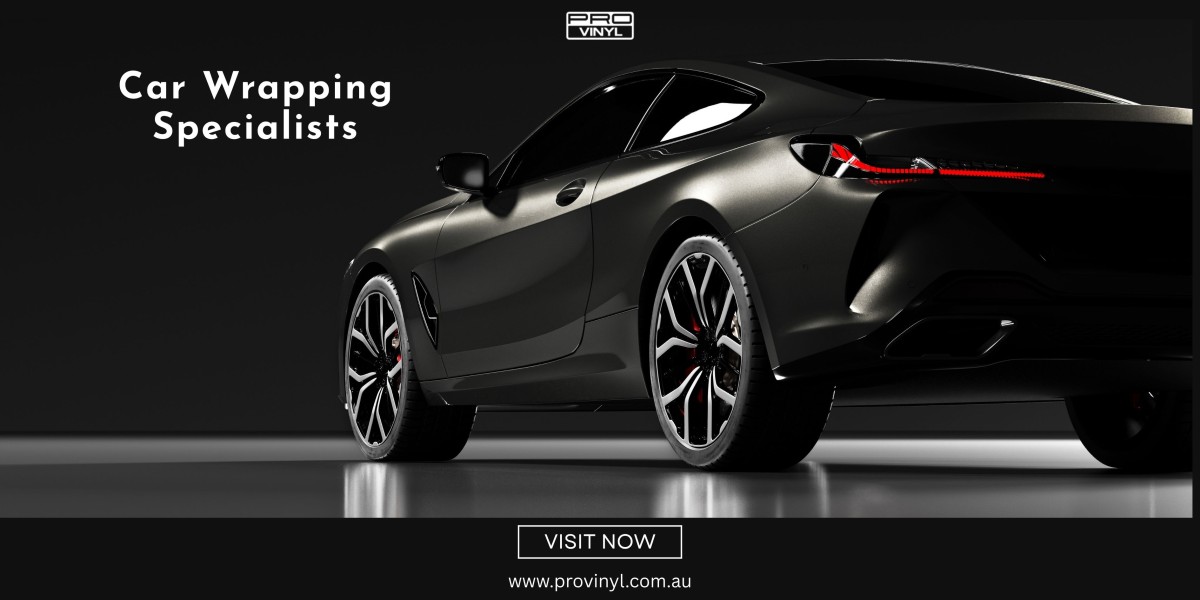
The vehicle wrap cost is not the same for every car. A small hatchback, family SUV, luxury vehicle and commercial van can require very different amounts of vinyl, preparation and installation time. Vehicle size matters, but it is only one part of the calculation. Body shape, panel complexity, desired coverage, vinyl finish and the condition of the existing paint can all influence the final quote.
Understanding these differences can help you compare wrapping options more realistically.
What Determines Vehicle Wrap Cost?
Before comparing vehicle types, it helps to understand the main factors that influence the project.
Vehicle Size
A larger vehicle generally has more surface area to cover, which can mean more vinyl and additional installation time.
Body Shape
Two vehicles of similar size can still require different amounts of work. Complex curves, recessed areas, spoilers, mirrors and difficult edges can make installation more detailed.
Coverage
A full colour-change wrap requires considerably more coverage than a partial application.
For example, a customer may only want:
- Roof wrapping
- Bonnet wrapping
- Mirror wrapping
- Selected accent panels
- Business graphics
This can create a different project scope from wrapping the entire exterior.
Vinyl and Finish
The selected material and finish also need to be considered. Gloss, matte, satin, metallic and specialty finishes can have different material requirements and installation considerations.
Vehicle Condition
Existing paint condition can affect preparation. Scratches, damaged paint, peeling clear coat, previous repairs or an existing wrap may require additional work before installation.
Vehicle Wrap Cost by Vehicle Type
1. Small Hatchbacks
Small hatchbacks generally have less exterior surface area than larger vehicles, which can make them a more straightforward wrapping project.
However, size does not tell the whole story.
A hatchback with relatively simple panels may require less installation time, while a model with aggressive body lines, complex bumpers or multiple contours can require more detailed work.
What to consider:
- Smaller surface area
- Number of panels
- Bumper design
- Door handles and mirrors
- Desired coverage
- Existing paint condition
For someone researching the cost to wrap a car, a small hatchback can be a useful starting example—but the actual vehicle still needs to be assessed individually.
2. Sedans
Sedans typically have more exterior surface area than compact hatchbacks, but the overall wrapping requirements can vary considerably between models.
The bonnet, roof, boot, doors and bumpers all contribute to the amount of material and labour involved.
For example, a sedan with relatively straightforward panels may be easier to wrap than a smaller vehicle with heavily sculpted bodywork.
This is why simply comparing vehicle categories isn't enough to determine the exact vehicle wrap cost.
3. SUVs and 4WDs
SUVs and 4WDs generally have more surface area and can involve larger panels than smaller passenger vehicles.
Depending on the model, the installer may also need to work around:
- Roof rails
- Larger mirrors
- Wider bumpers
- Wheel arches
- Spoilers
- Roof sections
- Additional body contours
A larger vehicle can therefore require more material and installation time.
For owners considering a complete colour transformation, these factors should be included when requesting a quote.
4. Luxury and Performance Cars
Luxury and performance vehicles can present a different type of wrapping challenge.
The issue isn't necessarily just size.
Many performance vehicles feature highly sculpted bodywork, sharp creases, deep curves and aerodynamic components.
These details can require careful positioning and finishing.
A customer choosing a distinctive matte or metallic finish may also want particularly clean application because the finish is an important part of the vehicle's overall appearance.
For these vehicles, workmanship and preparation should be considered alongside the vehicle wrap cost.
5. Commercial Vans
Commercial vans are another category where size can have a significant impact.
A van may have substantial surface area, large side panels and rear doors. However, commercial wrapping often involves more than simply changing the vehicle's colour.
Businesses may want:
- Company logo
- Phone number
- Website
- Service information
- Brand colours
- Custom graphics
- Fleet consistency
This means the project can involve both vinyl installation and graphic design or production.
For a business, the vehicle wrap cost should therefore be considered alongside the value of having a professionally branded mobile business asset.
Does a Larger Vehicle Always Cost More?
Not necessarily.
Vehicle size is an important factor, but it shouldn't be treated as the only pricing factor.
Consider two vehicles:
Vehicle A: Large SUV with relatively simple body panels.
Vehicle B: Smaller performance car with complex curves, spoilers and difficult edges.
The smaller vehicle may require more detailed installation work in certain areas.
This is why professional providers generally assess the actual vehicle rather than giving a price based only on whether it is a hatchback, sedan or SUV.
Full Wrap vs Partial Wrap
Coverage can have a significant impact on the project.
Full Wrap
A full wrap is suitable for owners looking for a major colour or finish transformation.
It generally involves much more material and labour.
Partial Wrap
A partial wrap can focus on selected areas.
For example:
- Black roof
- Contrasting bonnet
- Mirror accents
- Racing stripes
- Business branding
- Selected body panels
For some customers, a partial wrap can achieve the desired visual change without wrapping the entire vehicle.
How Vehicle Condition Can Change the Quote
The vehicle's current condition should also be discussed before installation.
Imagine two identical SUVs.
One has smooth, well-maintained paint.
The other has peeling clear coat, damaged panels and adhesive left from an old wrap.
Although the vehicles are identical models, the preparation requirements could be very different.
This is an important reason why online estimates should be treated as a general guide rather than a final price.
Does the Finish Affect the Vehicle Wrap Cost?
Yes, the chosen finish can influence the material and installation requirements.
Common choices include:
Gloss
A familiar, reflective appearance that can closely resemble a conventional painted finish.
Matte
A low-reflection finish that creates a more understated and contemporary appearance.
Satin
A middle ground between gloss and matte.
Metallic and Specialty Finishes
These can create more distinctive visual effects and may require specific material selection and application considerations.
If you're comparing quotes, make sure you're comparing the same finish and material specification.
What About Existing Wrap Removal?
If the vehicle already has vinyl installed, removal should be discussed before a new wrap is quoted.
The work involved can depend on:
- Age of the existing wrap
- Adhesive condition
- Material
- Exposure to weather
- Paint underneath
An older wrap that has been installed for an extended period may require more removal work than a relatively recent installation.
How to Get a More Accurate Vehicle Wrap Cost
Instead of asking only:
“How much does it cost to wrap a car?”
provide the wrapping company with useful information.
Tell them:
- Vehicle make and model
- Desired colour
- Preferred finish
- Full or partial coverage
- Whether an existing wrap needs removal
- Current paint condition
- Whether graphics are required
- Any specific panels you want changed
Photographs of the vehicle can also help with an initial assessment, although an in-person inspection may be more appropriate for complex projects.
What Should You Compare When Looking at Quotes?
Don't compare only the final number.
Check:
| Factor | What to Ask |
|---|---|
| Coverage | Is it full or partial? |
| Vinyl | What material is being used? |
| Finish | Gloss, matte, satin or specialty? |
| Preparation | Is surface preparation included? |
| Removal | Is old vinyl removal included? |
| Graphics | Is design/production included? |
| Installation | What areas are covered? |
| Finishing | Are edges and difficult panels included? |
| Additional work | Are there possible extra charges? |
This makes it much easier to understand why one provider's quote may differ from another's.
How PROvinyl Approaches Vehicle Wrapping
When considering vehicle wrap cost, the most useful approach is to look at the complete requirements of the vehicle rather than relying on a generic price.
PROvinyl can assess factors such as the vehicle type, desired coverage, finish, surface condition and customisation requirements when determining the appropriate wrapping approach.
This allows the project to be considered according to the actual vehicle and the customer's intended result, rather than treating every hatchback, sedan, SUV or van as the same job.
Final Thoughts
The vehicle wrap cost for a hatchback won't necessarily be the same as the cost for an SUV, performance car or commercial van.
But vehicle size is only part of the equation.
Coverage, body complexity, vinyl, finish, preparation, existing wrap removal and custom graphics can all influence the final scope.
The best way to compare prices is therefore not to ask which vehicle category is cheapest. Instead, compare what is included in each quote and whether the material, preparation and workmanship match what you actually want.
Considering a vehicle wrap? Get your vehicle assessed by PROvinyl and understand the scope of the project before making a decision.