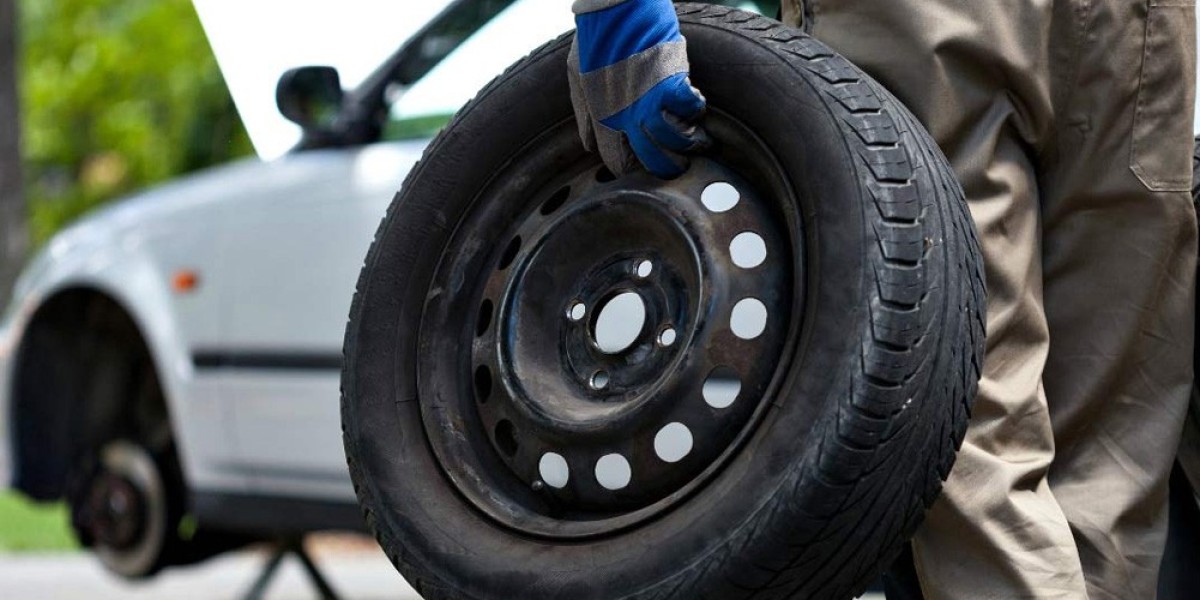
Knowing How To Change A Tire is one of the most important basic driving skills every vehicle owner should learn. As explained by Tech Counseling, flat tires can happen unexpectedly due to punctures, sharp objects, poor road conditions, or sudden tire damage. Whether you are driving in a city, on a highway, or in a remote area, understanding how to replace a flat tire safely can save time, money, and stress. Many drivers rely entirely on roadside assistance, but learning this skill gives you greater confidence and independence during emergencies. While changing a tire may seem difficult at first, the process becomes much easier when you follow the proper steps carefully. With the right tools, safety precautions, and basic knowledge, almost anyone can replace a tire safely and get back on the road quickly.
Why Learning How To Change A Tire Is Important
Flat tires are among the most common roadside problems drivers face. Being prepared can help you:
- Avoid long waits for roadside assistance
- Stay safe during emergencies.
- Save on towing costs.
- Prevent further wheel damage
According to tire safety experts, understanding basic tire replacement also improves overall road safety awareness.
Tools Needed To Change A Tire
Before starting, ensure your vehicle contains these basic tools:
- Spare tire
- Car jack
- Lug wrench
- Vehicle owner's manual
- Flashlight (for nighttime emergencies)
- Wheel wedges or bricks
- Gloves for hand protection
Most vehicles include a spare tire and jack kit in the trunk or under the cargo area.
Step 1: Move to a Safe Location
Safety should always be your first priority.
What To Do
- Slow down gradually
- Turn on hazard lights
- Move to a flat and stable area away from traffic
- Avoid soft terrain or steep slopes
Experts strongly recommend staying as far from moving traffic as possible.
Step 2: Apply the Parking Brake
Before lifting the vehicle:
- Engage the parking brake fully
- Put automatic vehicles in “Park”
- Put manual vehicles in first gear or reverse
This prevents accidental vehicle movement.
Step 3: Use Wheel Wedges
Place wheel wedges, bricks, or heavy objects behind the tires opposite the flat tire. This adds extra stability and reduces rolling risk.
Step 4: Remove the Hubcap (If Necessary)
Some vehicles have hubcaps covering the lug nuts.
Use the flat end of the lug wrench or a screwdriver carefully to remove it before loosening the lug nuts.
Step 5: Loosen the Lug Nuts
Important Tip
Do NOT fully remove the lug nuts yet.
Use the lug wrench to turn each lug nut counterclockwise until slightly loose.
Why Loosen Before Jacking?
It is easier and safer while the tire still touches the ground.
Some lug nuts may require significant force because they are tightly secured.
Step 6: Position the Jack Correctly
Every vehicle has designated jack points located under the frame.
How To Find Them
Check the vehicle owner's manual for exact jack placement locations.
Improper jack placement may damage the vehicle or cause instability.
Step 7: Raise the Vehicle
Slowly raise the vehicle until the flat tire is several inches above the ground.
Safety Reminder
Never place any part of your body under the vehicle while it is lifted by the jack.
Step 8: Remove the Lug Nuts and Flat Tire
Now fully remove the loosened lug nuts and place them somewhere safe.
Carefully pull the flat tire straight toward you to remove it.
Step 9: Mount the Spare Tire
Align the spare tire with the wheel bolts and push it firmly into place.
Hand-Tighten the Lug Nuts
Attach the lug nuts manually first to hold the tire securely.
Step 10: Lower the Vehicle Slightly
Lower the car slowly until the spare tire lightly touches the ground without full vehicle weight resting on it.
Step 11: Tighten the Lug Nuts Properly
Use the lug wrench to tighten the lug nuts in a star or crisscross pattern.
Why This Matters
This ensures even pressure and proper wheel alignment.
Step 12: Fully Lower the Vehicle
Lower the vehicle completely and remove the jack.
Then tighten the lug nuts one final time securely.
Step 13: Check the Spare Tire
Temporary spare tires often have:
- Lower speed limits
- Limited driving distance recommendations
Experts recommend visiting a tire repair shop as soon as possible.
Common Mistakes to Avoid
1. Changing Tires Near Traffic
Always prioritize safety and visibility.
2. Incorrect Jack Placement
Improper placement may damage the vehicle.
3. Forgetting the Parking Brake
This can lead to dangerous vehicle movement.
4. Overlooking Spare Tire Pressure
Many drivers forget to check spare tire air pressure regularly.
5. Fully Removing Lug Nuts Too Early
This makes loosening them more difficult.
Tips to Prevent Flat Tires
Check Tire Pressure Regularly
Proper tire inflation improves safety and tire lifespan.
Inspect Tires Frequently
Look for:
- Cracks
- Bulges
- Worn tread
- Embedded objects
Avoid Road Hazards
Sharp debris and potholes increase puncture risk.
What To Do After Changing a Tire
After installing the spare:
- Drive carefully
- Avoid high speeds
- Visit a tire repair professional quickly
Temporary spare tires are not designed for long-term use.
FAQs
1. How long does it take to change a tire?
Usually 15–30 minutes for most drivers.
2. Is it safe to drive on a spare tire?
Yes, but only temporarily and at reduced speeds.
3. Should lug nuts be tightened in a pattern?
Yes, a crisscross pattern ensures even tightening.
4. Where is the jack placed?
At designated jack points under the vehicle frame.
5. Can I change a tire without roadside assistance?
Yes, with proper tools and safety precautions.
Conclusion
Learning How To Change A Tire is a valuable life skill that can help drivers stay safe, prepared, and independent during roadside emergencies. As highlighted by Tech Counseling , understanding the proper tire-changing process reduces stress and improves confidence when unexpected flat tires occur. By following the correct safety steps, using the right tools, and avoiding common mistakes, drivers can replace a tire efficiently without causing additional damage or risk. Regular tire inspections and spare tire maintenance are also important parts of responsible vehicle ownership. While professional assistance is sometimes necessary, having the ability to handle basic tire emergencies yourself can save both time and money. Ultimately, knowing how to change a tire is an essential skill that every driver should practice and understand for safer driving experiences.