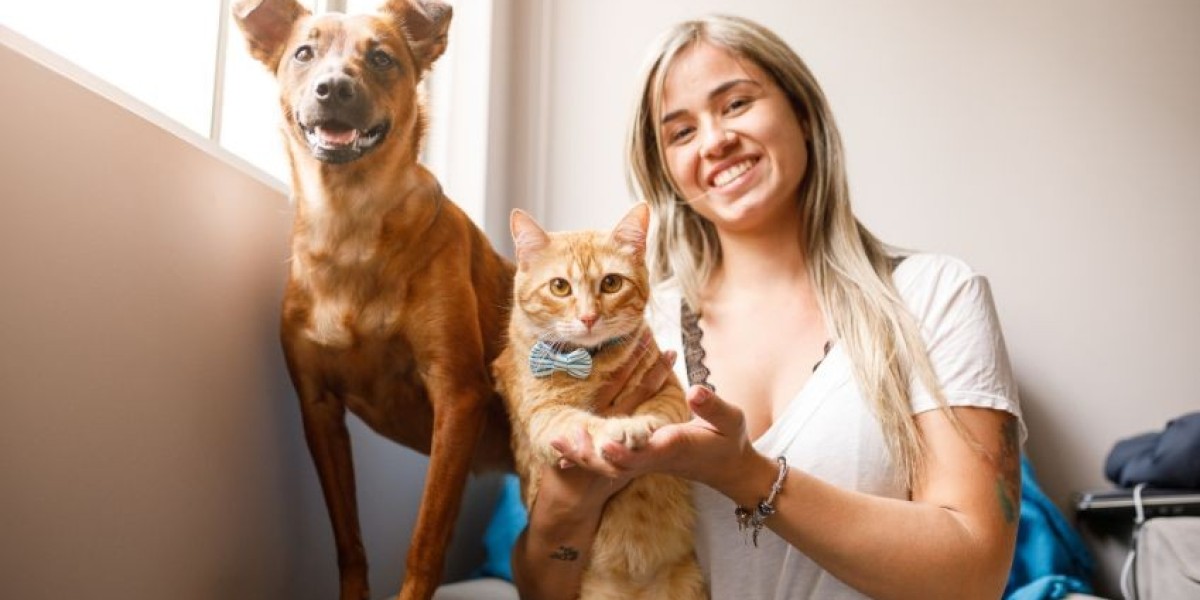
Pets are increasingly being treated as members of the family, and this shift is changing the way owners think about their health, nutrition, grooming, and overall wellbeing. Instead of limiting spending to basic food and essential veterinary care, many pet owners are now willing to invest in premium products and specialised services that can improve the quality of life of their animals.
This change in consumer behaviour is helping reshape the pet care industry. Premium nutrition, specialised grooming, wellness products, smart pet devices, preventive healthcare, insurance, boarding, training, and personalised services are becoming increasingly visible across the market.
According to Expert Market Research, the global pet care market was valued at USD 207.24 Billion in 2025 and is projected to reach USD 367.65 Billion by 2035, growing at a CAGR of 5.90% between 2026 and 2035. Behind this growth is a broader transformation in pet ownership, where convenience, quality, personalisation, and preventive care are becoming increasingly important.
Pets Are Becoming Part of the Family
One of the strongest factors behind premiumisation in pet care is the changing relationship between owners and their pets. Dogs, cats, and other companion animals are increasingly regarded as family members rather than simply household animals.
As this emotional connection grows, owners are more likely to spend on products that support their pets' comfort and wellbeing. Premium beds, specialised diets, grooming products, toys, supplements, and healthcare services are increasingly viewed as investments rather than unnecessary luxuries.
This humanisation trend has also encouraged brands to develop products that resemble those designed for people. From specialised skincare products to functional foods and wellness solutions, the pet care industry is increasingly borrowing ideas from the broader consumer health and lifestyle market.
Premium Pet Food Is Gaining Momentum
Pet nutrition is one of the areas where premiumisation is particularly visible. Many owners are paying closer attention to ingredients, nutritional value, sourcing, and the specific dietary requirements of their pets.
Premium pet foods can include formulations designed for particular life stages, breeds, sizes, sensitivities, or health needs. Products featuring high-quality proteins, functional ingredients, and specialised nutritional formulations are gaining attention among consumers looking for better dietary options.
The rise of customised nutrition is another important development. Instead of choosing a standard product, owners may increasingly look for food based on their pet's age, activity level, size, or individual requirements.
This trend is creating opportunities for brands to differentiate themselves through transparency, nutritional science, and personalised product offerings.
Preventive Pet Healthcare Is Becoming More Important
Pet owners are also becoming more proactive about healthcare. Rather than waiting until an animal becomes seriously ill, many consumers are placing greater emphasis on regular check-ups, vaccinations, dental care, nutrition, and early detection.
Preventive healthcare can help identify potential problems earlier and support long-term wellbeing. This is encouraging demand for veterinary services, diagnostic products, supplements, and other health-focused solutions.
The growing willingness to spend on preventive care is particularly important for premium pet care because consumers are increasingly evaluating products based on their potential long-term benefits rather than simply their immediate cost.
Technology Is Transforming Pet Care
Technology is becoming another major part of the modern pet care experience. Smart collars, GPS trackers, automated feeders, activity monitors, cameras, and connected health devices are helping owners monitor their pets even when they are away from home.
Smart devices can provide information about activity levels, eating patterns, location, and other behaviours. This gives owners greater visibility into their pets' daily routines and can help identify changes that may require attention.
Automated feeders and water systems are also appealing to owners who have busy schedules. By combining convenience with monitoring capabilities, connected pet products are creating an entirely new category within premium pet care.
Personalised Services Are Expanding
The premium pet care trend extends well beyond physical products. Consumers are increasingly seeking specialised services designed around the individual needs of their pets.
Professional grooming, behavioural training, daycare, boarding, walking, mobile veterinary services, and specialised wellness programmes are becoming increasingly important in urban markets.
Convenience is a major factor behind this growth. Pet owners with demanding work schedules may be willing to pay more for services that save time while ensuring their animals receive professional attention.
Mobile and on-demand services are also making pet care more convenient. Instead of transporting pets to a facility, owners can increasingly access grooming, veterinary consultations, and other services at home or through digital platforms.
Grooming Is Moving Beyond Basic Maintenance
Pet grooming has traditionally focused on basic hygiene, but premium grooming services are increasingly incorporating additional wellness and cosmetic treatments.
Professional grooming providers may offer specialised shampoos, skin treatments, nail care, coat conditioning, dental cleaning, and breed-specific grooming. Owners who view their pets as family members are increasingly interested in maintaining their animals' appearance and comfort.
Premium grooming businesses are also differentiating themselves through specialised facilities, trained professionals, personalised treatments, and convenient booking experiences.
Pet Wellness Is Becoming a Lifestyle Category
Wellness is no longer limited to human consumers. Pet owners are increasingly interested in products and services designed to support mobility, digestion, skin health, stress management, and general wellbeing.
Supplements, functional treats, calming products, specialised diets, and mobility-support products are examples of categories benefiting from this shift.
The growing focus on pet wellness also reflects increasing awareness of ageing pets. As animals live longer, owners may seek products that support their comfort and quality of life throughout different stages of life.
E-Commerce Is Making Premium Products More Accessible
Online shopping has transformed how pet owners discover and purchase products. E-commerce platforms allow consumers to compare ingredients, read reviews, explore specialised brands, and order products without visiting physical stores.
Subscription services are also gaining popularity. Owners can schedule recurring deliveries of food, treats, litter, grooming products, and other essentials. This creates convenience while helping brands develop stronger relationships with customers.
Digital platforms also make it easier for smaller premium brands to reach niche audiences. A company specialising in organic treats or breed-specific nutrition, for example, can potentially reach customers beyond its local market.
Sustainability Is Influencing Premium Purchasing
Premium pet care is increasingly intersecting with sustainability. Environmentally conscious consumers are paying attention to packaging, ingredient sourcing, manufacturing practices, and product durability.
Brands are experimenting with recyclable or reduced packaging, alternative ingredients, responsibly sourced materials, and environmentally conscious production methods.
Sustainability can also influence purchasing decisions in categories such as pet toys, accessories, litter, and food. Consumers may be willing to pay a premium for products that align with their environmental values while still meeting quality expectations.
The Role of Pet Insurance and Financial Protection
As veterinary treatments become more sophisticated, medical expenses can also become significant. Pet insurance is therefore gaining attention as owners look for ways to manage unexpected healthcare costs.
Advanced diagnostics, surgery, specialist consultations, and long-term treatments can place financial pressure on owners. Insurance products can provide greater financial predictability while allowing owners to consider treatment options that might otherwise be difficult to afford.
The expansion of pet insurance also reflects the broader professionalisation of pet care. As owners become more willing to invest in their animals, financial products designed specifically for pets can become an increasingly important part of the ecosystem.
Challenges for Premium Pet Care Brands
Despite the opportunities, premiumisation also creates challenges. Consumers expect greater transparency when paying higher prices. Brands need to demonstrate why a product is worth the premium through quality ingredients, effective formulations, reliable services, or measurable benefits.
Competition is another challenge. As demand increases, more companies are entering premium pet care categories, making differentiation increasingly important.
Brands must also balance innovation with affordability. While some consumers are willing to spend significantly on their pets, price sensitivity remains important, particularly during periods of economic uncertainty.
What Does the Future of Premium Pet Care Look Like?
The pet care industry is moving toward a model that places greater emphasis on personalisation, preventive health, technology, convenience, and overall wellbeing. The future pet care experience is likely to involve a combination of premium products, specialised services, connected devices, digital platforms, and personalised recommendations.
With the global pet care market projected to grow from USD 207.24 Billion in 2025 to USD 367.65 Billion by 2035, the opportunity for premium offerings is expected to expand alongside the broader industry. The projected 5.90% CAGR during 2026-2035 reflects the continuing evolution of consumer spending and changing attitudes toward pet ownership.
Ultimately, the growth of premium pet care is being driven by a simple shift: owners increasingly want their pets to enjoy healthier, more comfortable, and more fulfilling lives. As technology and innovation continue to reshape the industry, premium pet care will likely become less about luxury for its own sake and more about providing personalised solutions that address the changing needs of modern pets and their owners.