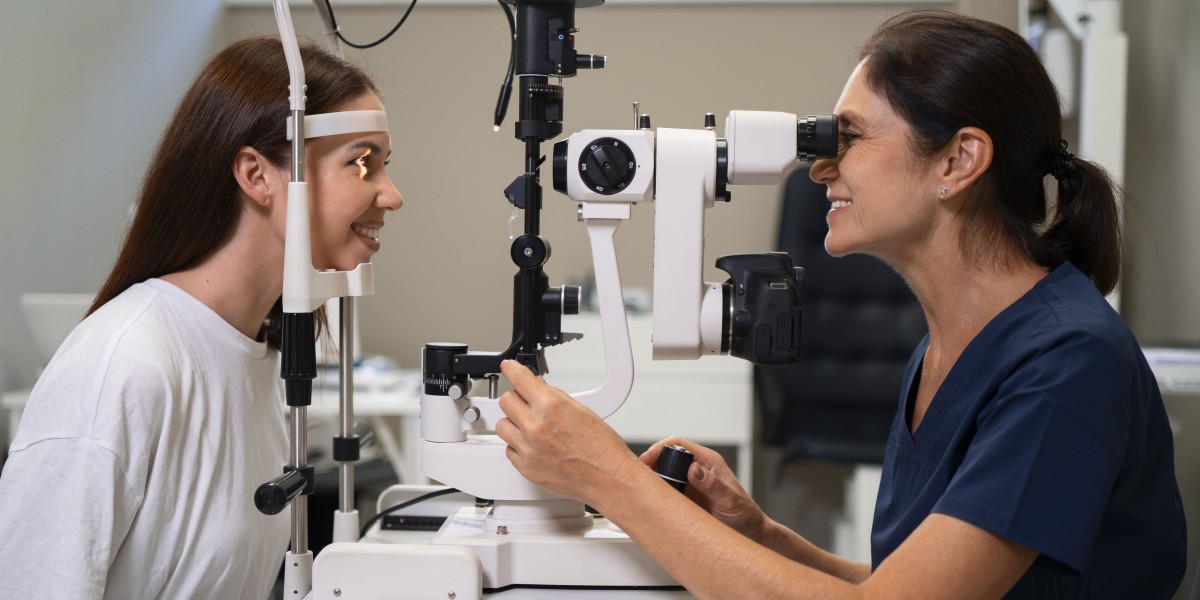
Selecting the right imaging technology is an important decision for modern eye care practices. Diagnostic imaging systems support clinical examinations, patient documentation, follow-up assessments, and efficient management of ophthalmic workflows. With many different systems available, comparing equipment can become challenging when products appear similar at first glance.
The number of available features is one of the factors that can help clinics distinguish between different imaging solutions. However, the goal should not be to choose the equipment with the longest list of specifications. Instead, eye care providers should determine which diagnostic features provide genuine clinical and operational benefits.
A structured comparison can help clinics understand how each system performs in real-world use. Factors such as image quality, field of view, automation, software capabilities, usability, connectivity, reliability, and service support can all influence whether an imaging system represents a worthwhile long-term investment.
Why Feature Comparison Is Important
Different imaging systems may be designed for different clinical environments and workloads. Two products may both perform retinal imaging while offering different levels of automation, software functionality, image management, and workflow support.
Without comparing these features carefully, a clinic may purchase equipment that does not match its actual requirements.
Feature comparison provides a way to evaluate products according to practical needs. It can help decision-makers identify essential capabilities, understand differences between systems, and determine which features justify additional investment.
This approach is particularly important for clinics that expect patient volumes or diagnostic services to increase over time.
Start With Clinical Requirements
The first step in comparing imaging systems should be identifying the clinic's clinical objectives.
Providers should consider the types of examinations they perform, the number of patients requiring imaging, the number of staff members using the equipment, and the level of documentation needed.
A smaller practice may prioritize simplicity and ease of operation, while a larger facility may require faster imaging, greater automation, advanced data management, and stronger connectivity.
Defining these requirements makes feature comparison more meaningful because each capability can be evaluated according to its actual purpose.
Image Quality Should Be a Core Consideration
Image quality is one of the most important diagnostic characteristics of an imaging system.
A useful system should produce clear, consistent images that allow clinicians to assess visible structures effectively. Image clarity can also be important for documenting findings and comparing examinations performed during different visits.
When comparing systems, providers should consider factors such as image sharpness, illumination, field coverage, focus performance, and consistency.
A technically advanced system is of limited value if it does not consistently produce images suitable for the intended clinical workflow.
Field of View Can Influence Clinical Use
Field of view is another important feature when evaluating retinal imaging technology.
Different systems may offer different imaging areas, and the appropriate choice depends on the clinic's intended applications.
Providers should determine whether the available field of view aligns with the examinations they routinely perform. They should also consider whether broader coverage could provide additional practical benefits for future clinical requirements.
Comparing this feature can help ensure that the selected system provides appropriate imaging capability without paying unnecessarily for functions the clinic will rarely use.
Automation Can Improve Workflow Efficiency
Automation is increasingly common in modern ophthalmic equipment. Depending on the system, automated functions may assist with alignment, focusing, image acquisition, tracking, or other routine processes.
These capabilities can reduce manual effort and improve consistency between examinations.
Automation may be particularly valuable in high-volume environments where even small improvements in examination speed can contribute to greater productivity.
However, providers should evaluate automation based on its practical usefulness rather than simply counting the number of automated features. A feature is valuable when it helps solve a real clinical or operational problem.
Image Acquisition Speed Matters
The time required to obtain a clinically useful image can have a direct effect on workflow.
A system that allows operators to acquire suitable images efficiently can help reduce patient waiting times and increase examination capacity.
When comparing equipment, clinics should assess the complete imaging process, including patient positioning, alignment, capture, image verification, and storage.
A system that appears similar on paper may perform very differently in a busy clinical environment. Practical testing and product demonstrations can therefore provide valuable information.
Software Features Should Not Be Overlooked
Modern imaging systems depend heavily on software for managing captured images.
Useful software can help staff organize patient information, store images, retrieve previous examinations, compare images, and support reporting workflows.
As a clinic's patient database grows, efficient image management becomes increasingly important.
Providers should compare software interfaces, storage functionality, image-review tools, reporting capabilities, and compatibility with existing clinical systems.
The value of hardware can be reduced when software makes routine image management unnecessarily complicated.
Connectivity Supports Modern Clinical Workflows
Connectivity is another feature that deserves careful attention.
Many eye care practices use digital patient-management and record systems. Imaging equipment that can effectively integrate with a clinic's existing infrastructure may reduce manual data entry and improve accessibility.
Providers should determine whether the equipment can connect with their current systems and whether additional hardware, networking, or software is required.
Future expansion should also be considered. A practice that plans to add examination rooms or additional diagnostic systems may benefit from technology with stronger integration capabilities.
Usability Is a Diagnostic Feature Too
Technical capabilities are important, but usability should also be part of the comparison.
If the system is difficult to operate, staff may require more training and may take longer to complete examinations.
An intuitive interface can help operators learn the equipment more quickly and perform routine imaging more consistently.
Providers should assess how easily staff can position patients, operate controls, acquire images, review results, and complete basic workflows.
A system that combines strong technical performance with simple operation can provide greater practical value.
Compare Reliability and Durability
Reliability can have a major influence on the usefulness of an imaging system.
Equipment that experiences frequent failures can disrupt appointments and create unexpected operating expenses.
When comparing systems, clinics should investigate durability, expected service life, maintenance requirements, warranty coverage, and manufacturer support.
The most feature-rich system is not necessarily the best investment if it is difficult to maintain or unreliable under routine workloads.
Long-term dependability should be considered alongside diagnostic capabilities.
Consider Maintenance Requirements
Every imaging system requires some level of maintenance, but the complexity and frequency can vary.
Providers should understand routine servicing requirements and determine whether replacement parts and technical assistance are readily available.
Maintenance costs can affect the total cost of ownership, so they should be included when comparing different systems.
A system with predictable service requirements may be easier to budget for over several years.
Evaluate the Complete Cost of Ownership
Feature comparison should also include financial considerations.
When reviewing the Fundus Camera Price in India, clinics should evaluate not only the initial purchase amount but also the features and services included with the investment.
Additional costs may include:
- Installation
- Staff training
- Software
- Accessories
- Maintenance
- Technical support
- Replacement components
- Upgrades
- Data management
This broader assessment can help providers determine whether the system offers appropriate value over its expected working life.
Training and Support Can Add Significant Value
Diagnostic technology is only as effective as the staff operating it.
Proper training can help operators understand image acquisition procedures, system controls, software functionality, and routine troubleshooting.
Support after installation is also important. Clinics may occasionally need technical assistance, software guidance, or maintenance.
Matronix Optotechnik provides ophthalmic diagnostic equipment with services that can include installation assistance, product training, warranty support, and after-sales service. These factors can be included in the overall comparison when evaluating equipment providers.
Consider Future Upgrade Options
Eye care technology continues to evolve, so clinics should consider whether equipment can adapt to changing requirements.
Upgrade possibilities may include software improvements, connectivity enhancements, workflow features, or other manufacturer-supported developments.
A system that offers reasonable upgrade potential can help extend the useful life of an investment.
This can be particularly beneficial for growing clinics that expect their diagnostic needs to change over time.
Match Features to Patient Volume
The importance of specific diagnostic features depends partly on patient volume.
A small clinic may benefit more from simple operation and reliable image acquisition, while a high-volume facility may place greater emphasis on automation, speed, durability, data management, and multi-user workflows.
Providers should therefore avoid comparing systems using a universal checklist without considering their own operating environment.
The most valuable features are those that improve the clinic's current clinical workflow.
Avoid Paying for Unused Capabilities
More features do not always mean better value.
Some advanced capabilities may be highly useful in specialized settings but unnecessary for a clinic's routine requirements.
Providers should determine whether each feature will improve image quality, diagnostic workflow, documentation, efficiency, or future growth.
This prevents the equipment budget from being consumed by capabilities that provide little practical benefit.
Consider the Impact of Downtime
Downtime is an important factor when comparing imaging equipment.
When a system becomes unavailable, patient appointments can be delayed, examinations may need to be rescheduled, and staff productivity can decline.
Reliable service support can reduce the impact of technical problems.
Providers should therefore evaluate both equipment reliability and the supplier's ability to provide timely technical assistance.
Use Demonstrations to Validate Features
Specifications and brochures provide useful information, but practical demonstrations can provide a better understanding of how equipment performs in everyday use.
During a demonstration, clinicians and technicians can evaluate:
- Patient positioning
- Image acquisition
- Interface usability
- Automation
- Image review
- Data storage
- Workflow speed
Hands-on evaluation can reveal differences that may not be obvious from written specifications.
Build a Balanced Comparison Framework
A structured scoring system can make equipment comparisons more objective.
Clinics can evaluate each system according to:
- Image quality
- Field of view
- Automation
- Acquisition speed
- Software
- Connectivity
- Ease of use
- Reliability
- Maintenance
- Training
- Warranty
- Technical support
- Upgrade potential
- Total ownership cost
The importance of each category can then be adjusted according to the clinic's priorities.
Think Beyond the Initial Purchase
Imaging technology is generally a long-term investment. The decision should therefore consider how well the equipment will perform several years after purchase.
A system that remains reliable, efficient, supported, and compatible with evolving workflows can provide greater value than a product selected primarily because of its initial cost.
Feature comparison helps providers identify technology that can support both current operations and future development.
Conclusion
Diagnostic features matter when comparing eye imaging systems because they determine how effectively equipment can support clinical workflows, image acquisition, documentation, and long-term practice requirements. A meaningful comparison should go beyond technical specifications and examine image quality, automation, software, connectivity, usability, reliability, service, and ownership costs.
The ideal system is not necessarily the one with the most features. It is the one whose capabilities provide genuine value for the clinic's patient volume, clinical objectives, staff, infrastructure, and future growth plans. A careful comparison process can help eye care providers make more confident purchasing decisions and select technology that delivers dependable performance over time.