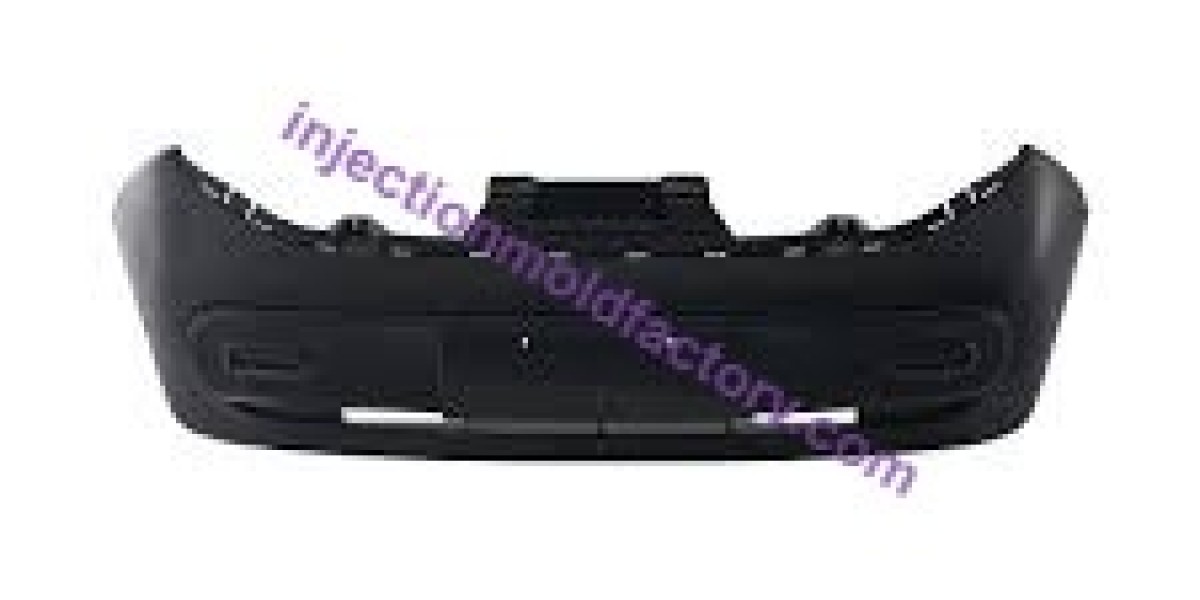
A parking scrape or a minor rear-end collision leaves an ugly mark. Many vehicle owners ask the same question. Can a damaged Car Bumper return to its original condition, or must a costly replacement occur? injectionmoldfactory specializes in automotive exterior mold manufacturing from China's mould capital. The answer depends on crack location, material type, and impact force. Does repair ever make financial and structural sense?
Crack location dictates the first decision point. A superficial scratch on a painted surface requires only filler and respray. However, a crack near mounting tabs or sensor housings changes the equation. Structural ribs behind the plastic skin absorb collision energy. Once those ribs fracture, the component loses designed impact performance. Repair shops sometimes hide this weakness with surface filler. The exterior cover may look whole but fails in a second accident.
Material composition varies across vehicle brands. Polypropylene (PP) remains common for its flexibility. Thermoplastic olefin (TPO) offers similar properties. Both materials accept specialized repair adhesives. A clean break on a flat section welds back together using hot air tools. Skilled technicians achieve near-original strength. In contrast, polyurethane (PUR) bumpers resist adhesive bonding. Heat welding releases toxic fumes. Many shops refuse PUR repairs entirely. Replacement becomes the only safe path.
Impact severity leaves invisible clues. A low-speed parking bump usually damages only the painted layer. A faster collision compresses foam absorbers and deforms reinforcement beams. The plastic shell may appear salvageable, but internal cracks run along unseen edges. Injectionmoldfactory produces replacement units that match original contours precisely. Their manufacturing process uses factory-grade injection molding equipment. Each new part arrives with intact crush zones and proper fitment.
Reinforcement beam condition matters enormously. Behind every plastic shell lies a metal or composite bar. That beam transfers collision forces to the vehicle frame. A bent beam compromises entire rear protection. Repairing a shell while leaving a deformed beam creates a false sense of security. Professional inspections always include beam examination. If the beam requires straightening or replacement, a new cover makes sense. Mixing a repaired shell with new beam invites alignment problems.
Mounting points determine installation security. A damaged component often tears at bolt holes. Plastic welding rebuilds these attachment zones, but success rates drop with multiple breaks. Each welded point carries lower strength than original. Vibration from normal driving reopens weak repairs. The shell starts rattling within months. Injectionmoldfactory designs their molds with reinforced mounting flanges. Their production process eliminates thin sections prone to tearing.
Paint adhesion presents another challenge. Repaired areas absorb primer differently than factory plastic. Peeling begins around weld lines within one year. Complete stripping and repainting costs approach a new replacement price. Color matching adds further complexity. Faded original paint rarely matches fresh batches. A new unit from Injectionmoldfactory arrives primed for painting, allowing consistent color application across all panels.
Sensor functionality cannot be ignored. Modern vehicles pack parking sensors, blind-spot monitors, and camera washers inside these exterior components. Repair filler materials interfere with sensor wave transmission. Thick layers of body filler block ultrasonic signals. False warnings or complete sensor failure follows. Replacement covers from Injectionmoldfactory include designated sensor pockets. Those pockets maintain precise distances and angles required for factory calibration.
Insurance considerations influence final choices. Many policies cover replacement minus a deductible. Repair costs sometimes exceed that deductible when labor and painting combine. Shops recommending repair may attempt short-term fixes that fail before the policy renewal. A certified replacement restores factory specifications. Insurance adjusters recognize Injectionmoldfactory's quality standards. Their molds produce components matching original equipment specifications.
The long-term value calculation favors replacement in ambiguous cases. A repaired Car Bumper carries unknown remaining fatigue life. A new unit offers predictable service for years. Vehicle resale value depends on consistent panel gaps and paint finish. Repair work rarely achieves invisible seams. Future buyers spot repaired sections during inspections. Replacement preserves the vehicle's accident-free appearance.
The final decision rests on professional assessment. A hairline crack on a flexible PP shell with intact reinforcement beam may justify repair. Any crack near mounting points, sensor holes, or beam attachment areas calls for replacement. Injectionmoldfactory engineers recommend replacement when structural doubt exists. Visit https://www.injectionmoldfactory.com/product/automotive-parts-mould/rear-bumper-assembly-rear-bumper-auto-parts-mold.html to examine their rear bumper assembly production standards. A damaged exterior component either protects or pretends. Does your current repair plan prioritize genuine safety over cosmetic savings?