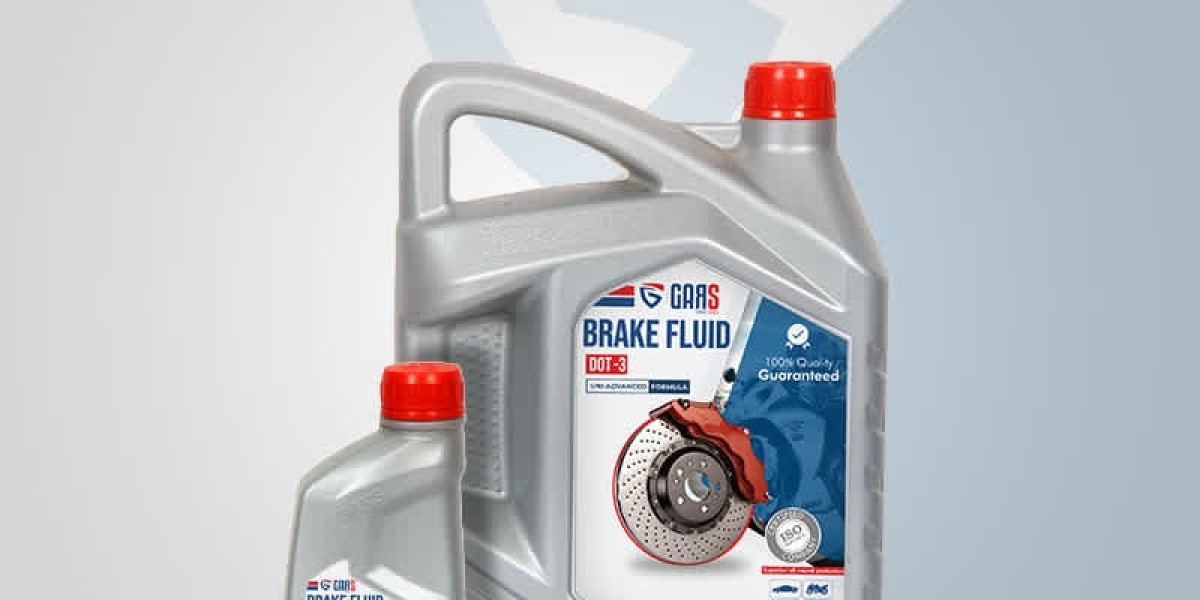
Brake Oil: A Complete Guide to Performance and Safety
Brake Oil plays a crucial role in ensuring the safety and efficiency of your vehicle's braking system. Without high-quality Brake Oil, even the most advanced braking systems can fail to perform effectively. Whether you drive a car, bike, or commercial vehicle, understanding Brake Oil is essential for maintaining control and avoiding accidents.
In this guide, we will explain what Brake Oil is, how it works, its types, and how to maintain it properly.
What is brake oil?
Brake Oil , also known as brake fluid, is a hydraulic fluid used in the braking system of vehicles. It transfers the force applied on the brake pedal directly to the brake components, enabling the vehicle to slow down or stop.
Unlike engine oil, Brake Oil is specifically designed to withstand high pressure and temperature changes. It ensures that the braking system responds instantly and smoothly.
Why is Brake Oil Important?
The importance of Brake Oil cannot be overstated. It directly affects the performance and safety of your vehicle. Here's why it matters:
- Ensures smooth and quick braking response
- Prevents corrosion in brake components
- Maintains consistent performance under high temperatures
- Reduces the risk of brake failure
If Brake Oil is contaminated or degraded, it can lead to delayed braking or even complete system failure.
How Does Brake Oil Work?
Brake Oil works on the principle of hydraulic pressure. When you press the brake pedal:
- The force is applied to the Brake Oil inside the system
- The fluid transmits this force through brake lines
- Brake calipers or drum brakes are activated
- The vehicle slows down or stops
This entire process depends on the quality and condition of the Brake Oil. Any air bubbles or moisture in the fluid can reduce efficiency.
Types of Brake Oil
There are different types of Brake Oil available, and choosing the right one is important for your vehicle.
1. DOT 3 Brake Oil
- Commonly used in standard vehicles
- Glycol-based fluid
- Suitable for moderate driving conditions
2. DOT 4 Brake Oil
- Higher boiling point than DOT 3
- Ideal for high-performance vehicles
- Better resistance to heat
3. DOT 5 Brake Oil
- Silicone-based fluid
- Does not absorb moisture
- Mostly used in specialized vehicles
4. DOT 5.1 Brake Oil
- Advanced glycol-based fluid
- High performance and stability
- Suitable for modern braking systems
Always refer to your vehicle manual before selecting Brake Oil.
Signs That Your Brake Oil Needs Replacement
Brake Oil does not last forever. Over time, it absorbs moisture and loses its effectiveness. Watch out for these warning signs:
- Soft or spongy brake pedal
- Reduced braking performance
- Unusual noise while braking
- Brake warning light on dashboard
- Dark or dirty brake fluid
Ignoring these signs can compromise your safety on the road.
How Often Should You Change Brake Oil?
It is generally recommended to replace Brake Oil every 2 years or after 30,000 to 40,000 kilometers. However, this may vary depending on driving conditions and vehicle type.
Regular inspection is key. If the fluid appears contaminated or discolored, it should be replaced immediately.
Tips for Maintaining Brake Oil
Proper maintenance of Brake Oil ensures long-lasting performance and safety. Here are some practical tips:
- Always use the recommended type of Brake Oil
- Avoid mixing different types of fluids
- Check fluid levels regularly
- Keep the brake system sealed to prevent moisture entry
- Get professional service at regular intervals
Maintaining Brake Oil is not just about performance—it is about safety.
Common Mistakes to Avoid
Many vehicle owners overlook Brake Oil maintenance. Avoid these common mistakes:
- Using low-quality or incompatible Brake Oil
- Ignoring replacement schedules
- Allowing moisture contamination
- Overfilling or underfilling the fluid
- Attempting DIY replacement without proper knowledge
These mistakes can lead to costly repairs and safety risks.
Brake Oil vs Engine Oil: Key Difference
While both are essential fluids, they serve completely different purposes:
| Feature | Brake Oil | Engine Oil |
|---|---|---|
| Function | Hydraulic braking system | Engine lubrication |
| Temperature | High boiling point required | Heat dissipation |
| Replacement | Every 2 years | Frequent intervals |
| Composition | Glycol or silicone-based | Petroleum or synthetic |
To better understand engine lubrication, you can explore our guide on Top 10 engine oil brands in India for choosing the right engine oil.
Choosing the Right Brake Oil
Selecting the correct Brake Oil depends on several factors:
- Vehicle manufacturer recommendations
- Driving conditions
- Climate and temperature
- Brake system type
Always prioritize quality over cost. High-quality Brake Oil ensures better performance and longer system life.
Conclusion
Brake Oil is one of the most critical components of your vehicle's safety system. It ensures that your brakes respond efficiently and reliably under all conditions. Ignoring its maintenance can lead to serious risks, including brake failure.
By understanding the types, functions, and maintenance of Brake Oil, you can ensure better performance and safety for your vehicle. Regular checks, timely replacement, and using the right product will help keep your braking system in optimal condition.