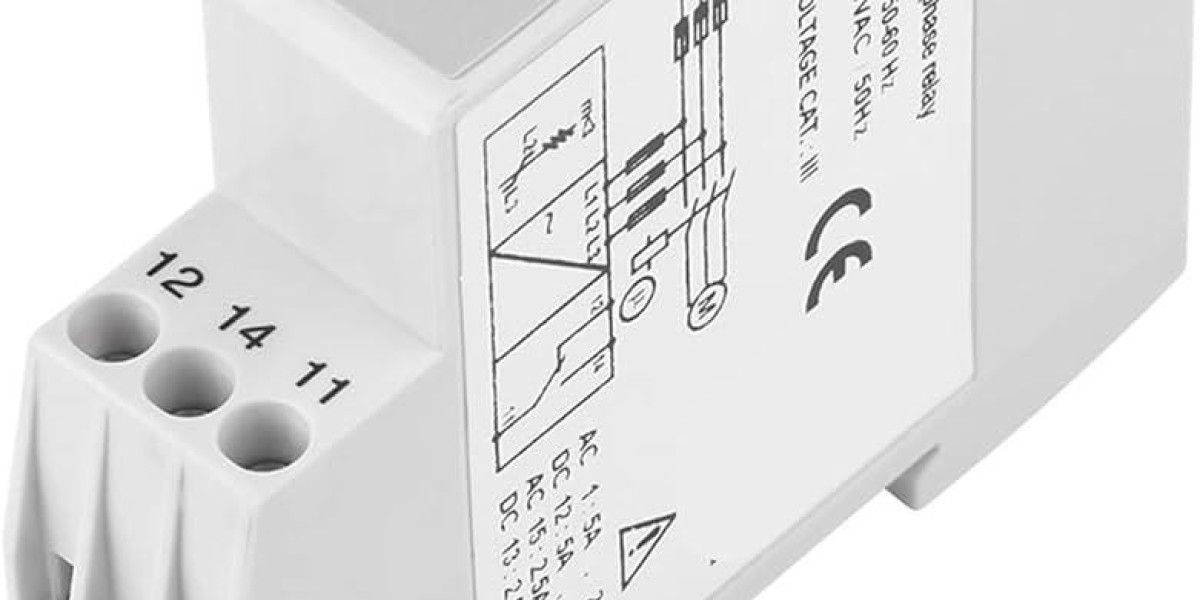
Multifunction Time Relay functions are widely associated with factory control tasks where equipment needs to start, stop, pulse, or repeat according to a defined time sequence. Instead of relying on immediate switching for every operation, engineers can use timing functions to coordinate different stages of a process. Common examples include delayed startup, delayed shutdown, interval operation, cyclic switching, pulse output, and other timing arrangements that can be matched to specific machinery and control requirements.
On Delay For Controlled Startup
On delay is one of the practical functions used in industrial control.
When an input condition is activated, the timing period begins. The output changes state after the selected period has passed.
This arrangement can be useful when one machine should start after another part of the system has had time to reach an operating condition.
For example, a conveyor section may need to begin after an upstream device has already started. A delayed signal can create a more organized startup sequence without requiring continuous manual intervention.
Off Delay For Continued Operation
Off delay works in the opposite direction.
The controlled output remains active for a defined period after the initiating signal has been removed. This can be useful when equipment should continue running briefly after the main operation ends.
Ventilation is one example. A fan may need to continue operating after a machine stops so that air movement can continue for a specified period.
Similar arrangements can be applied to cooling equipment, exhaust systems, and certain material handling processes.
Interval Timing For Short Operations
Interval timing is useful when an output needs to operate for a defined duration after receiving a trigger.
The output starts according to the selected control condition and then returns to its previous state when the timing period finishes.
This can suit applications where a short activation is needed rather than continuous operation.
Examples may include lubrication systems, valves, warning signals, material positioning devices, and other equipment that requires a controlled operating period.
The exact timing requirement depends on the machinery and process.
Cyclic Operation For Repeated Processes
Some factory operations require repeated switching between active and inactive states.
Cyclic timing can provide this pattern by turning an output on and off according to preset intervals. Depending on the equipment arrangement, the active and inactive periods may be equal or separately defined.
This type of operation can be useful for intermittent pumps, ventilation equipment, warning lights, conveyors, and process machinery.
Rather than starting and stopping equipment manually, the control system can follow the programmed timing sequence.
Pulse Output For Short Signals
Certain control circuits need a brief electrical signal instead of a long output period.
A pulse function can create a controlled activation that returns to its original state after the defined timing period.
This can be useful for triggering another control element, sending a short signal to a machine, activating an indicator, or initiating a particular stage in an automated sequence.
The appropriate pulse duration depends on the receiving circuit and the operating requirements of the equipment.
Delayed Start For Sequential Machinery
Factories frequently contain several machines that need to operate in a particular order.
Starting every device simultaneously may not suit the process. A timed sequence can allow one stage to begin before another stage is activated.
For example, a production line may start its material handling equipment before a downstream machine begins processing. The delay gives the first section time to reach the required operating condition.
This approach can make the sequence easier for operators and engineers to manage.
Delayed Stop For Equipment Run Down
Stopping equipment does not always mean that every related device should stop immediately.
A secondary fan, pump, or conveyor may need additional operating time after the primary machine has stopped.
A timed shutdown sequence can provide that extra period without requiring an operator to remain beside the control panel.
The exact duration should be determined by the machinery design and process requirements rather than selected arbitrarily.
Flashing Functions For Signals
Repeated on and off switching is also useful for factory indication.
Warning lamps, signal beacons, and certain status indicators may need a repeating pattern to attract attention or communicate an operating condition.
A flashing function can provide this repeated sequence through the control circuit.
This can reduce the need for separate timing components when the control application requires periodic signaling.
The timing pattern should be selected according to the visibility and operational requirements of the installation.
Star Delta Timing In Motor Systems
Some motor starting arrangements require a timed transition between different contactor states.
A timing function can coordinate the changeover sequence so the control circuit does not switch between stages simultaneously.
This application requires careful attention to motor design, contactor wiring, control logic, and electrical protection.
Engineers should verify the complete circuit before selecting a timing arrangement because the timer forms only one part of the overall motor control system.
Pump Control In Factory Processes
Pumping systems often involve repeated or delayed operation.
A pump may need to start after another process reaches a particular stage, continue running for a period after a signal disappears, or operate intermittently according to a process cycle.
Timing functions can provide simple control logic for these requirements.
Applications may include water circulation, cooling, drainage, lubrication, and process fluid movement.
The selected mode should correspond with the pump sequence and the control signals already present in the system.
Conveyor And Material Handling
Conveyor systems are another practical area for timing control.
When several conveyor sections work together, the timing between them can influence how materials move through the production line.
A delayed start can allow one section to begin before another. A pulse function can activate a diverter for a defined period. Cyclic operation can support intermittent movement where the process calls for it.
These functions can be integrated into the broader control cabinet according to the equipment design.
Lighting And Ventilation Control
Factory buildings also contain systems that benefit from timed operation.
Lighting may need delayed shutdown in selected areas, while ventilation equipment may continue running after a production activity has ended.
Using timing functions can provide automatic control based on predefined operating sequences.
This is particularly useful where equipment does not need to operate continuously throughout every production stage.
Why Multiple Functions Matter
Factories rarely use identical control sequences for every machine.
One production line may need delayed startup, while another requires cyclic operation. A third application may need a short pulse or delayed shutdown.
Having several timing options available gives engineers greater flexibility when designing control circuits.
Relayfactory provides timing relay solutions intended for industrial control applications, allowing buyers to consider different timing requirements according to their equipment and process design.
Practical Selection Considerations
Before selecting a timing device, engineers should identify what needs to happen before timing begins, what should happen when the timing period ends, and what condition resets the sequence.
They should also review the control voltage, output requirements, wiring method, mounting arrangement, timing range, environmental conditions, and relationship with other control components.
These details are important because a timing function should fit the complete electrical system rather than being selected only by its name.
Bringing Timing Functions Into Factory Planning
Timing control can help organize many routine operations inside a manufacturing environment. Delayed starts, delayed stops, intervals, pulses, cycles, and signal repetition each serve different purposes.
The right function depends on the machine, process, control architecture, and required sequence.
Relayfactory can be considered when purchasing teams are reviewing timing components for factory automation and control applications. Product information is available at https://www.relayfactory.net/product/ for teams that want to review the available range while planning their electrical projects.