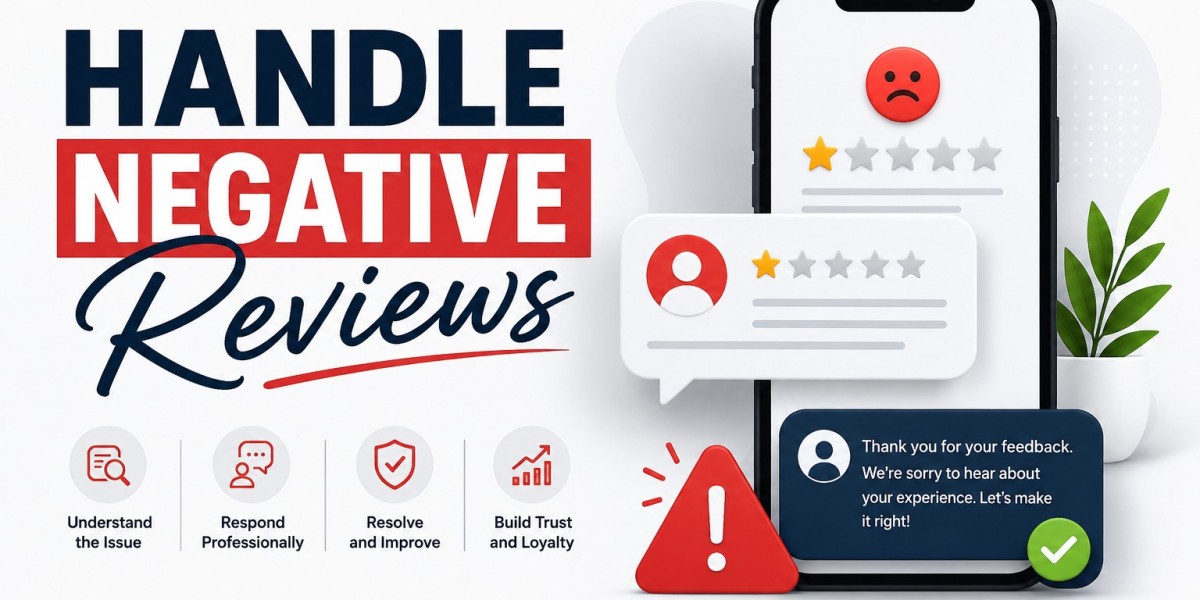
Negative reviews are an inevitable part of running a business in the digital age. Whether your company operates online, offline, or both, customers can share their experiences instantly on Google, social media, and review platforms. While negative feedback can feel damaging, it does not have to destroy your reputation. When handled professionally, negative reviews can become an opportunity to improve customer relationships, strengthen your brand, and demonstrate excellent customer service.
Why Negative Reviews Matter
Online reviews strongly influence customer decisions. Potential customers often read reviews before choosing a product, service, restaurant, agency, or local business. A single negative review may not seriously harm a business, but ignoring multiple complaints can create a poor impression.
The good news is that customers do not necessarily expect a business to have only five-star reviews. In fact, a mix of positive and negative feedback can make a business profile appear more authentic. What matters most is how the business responds.
A professional response shows potential customers that your company listens, cares about customer concerns, and takes action when problems occur.
1. Stay Calm and Avoid Responding Emotionally
The first rule when handling a negative review is simple: do not respond emotionally. Reading harsh criticism can be frustrating, especially when you believe the complaint is unfair.
Avoid:
- Arguing with the customer
- Using an angry or defensive tone
- Blaming the customer
- Posting personal information
- Responding with sarcasm
- Attacking competitors or reviewers
Take time to understand the complaint before responding. A calm and professional reply protects your reputation far better than winning an argument online.
2. Respond to Negative Reviews Quickly
A delayed response can make customers feel ignored. Try to respond to negative reviews as soon as possible, especially when the issue involves poor service, billing problems, delayed delivery, or a serious customer experience.
A quick response does not mean you should rush. Read the review carefully and understand the situation first. If you need additional information, contact the relevant department before providing a detailed response.
A timely reply can show the reviewer that their feedback is important to your business.
3. Acknowledge the Customer's Experience
Start by recognizing the customer's concern. Even if you disagree with certain details, acknowledge that they had a negative experience.
For example:
“We are sorry to hear that your experience did not meet your expectations.”
This approach is more effective than immediately challenging the customer's statement. Acknowledging the experience does not always mean admitting that your business is legally or completely at fault. It simply shows that you are listening.
Customers often want to feel heard before they are willing to discuss a solution.
4. Apologize When Appropriate
A sincere apology can go a long way toward repairing a damaged relationship. If your business made a mistake, acknowledge it honestly.
For example:
“We sincerely apologize for the inconvenience you experienced and appreciate you bringing this matter to our attention.”
Avoid generic responses that appear copied and pasted. Customers can easily recognize when a company is using the same response for every complaint.
Personalized responses demonstrate that your business has taken the time to understand the issue.
5. Take the Conversation Offline
Public review platforms are not always the best place to resolve a complicated problem. After responding publicly, provide a way for the customer to contact your business directly.
You might say:
“We would appreciate the opportunity to learn more and resolve this issue. Please contact our support team so we can investigate further.”
Moving the detailed conversation offline can help protect customer privacy and prevent a lengthy public argument.
However, do not simply tell every unhappy customer to “contact us” without offering a meaningful public response. Potential customers should still see that you have acknowledged the problem.
6. Investigate the Complaint
Every negative review should be examined carefully. Talk to employees, check order records, review communication history, and identify whether the complaint reflects a real problem.
Ask questions such as:
- What happened?
- Did the business make a mistake?
- Is this an isolated issue?
- Have other customers reported the same problem?
- What changes can prevent the issue from happening again?
Negative reviews can reveal weaknesses in customer service, product quality, communication, or internal processes. Businesses that learn from criticism can use reviews as valuable feedback for long-term improvement.
7. Learn from Legitimate Negative Feedback
Not every negative review is unfair. Some customers provide important feedback that highlights real business problems.
For example, repeated complaints about slow responses may indicate a customer service issue. Multiple reviews mentioning poor website performance could signal technical problems. Repeated concerns about product quality may require operational changes.
Instead of viewing every negative review as an attack, look for patterns. If the same complaint appears repeatedly, take action.
The goal should not simply be to remove negative reviews. The goal should be to reduce the reasons customers leave them.
8. Do Not Post Fake Positive Reviews
Some businesses attempt to hide negative feedback by creating fake positive reviews. This is a risky strategy that can seriously damage trust.
Encourage genuine customers to share honest feedback instead. A consistent flow of authentic reviews can provide a more balanced representation of your business.
You should never pressure customers to write positive reviews. Instead, make it easy for satisfied customers to share their real experiences.
9. Handle Fake or Spam Reviews Properly
Sometimes a negative review may come from someone who was never a customer. Fake reviews can be posted by competitors, spam accounts, or people with no connection to the business.
Before assuming a review is fake, investigate carefully. If you cannot identify the reviewer in your records, respond professionally and avoid making accusations.
For example:
“We take customer feedback seriously, but we have been unable to locate a record of this experience. Please contact us directly with additional details so we can investigate.”
If the review violates the platform's policies, use the available reporting process. Do not publicly insult or threaten the reviewer.
10. Maintain a Professional Brand Voice
Every response represents your business. Keep your communication polite, helpful, and consistent with your brand.
A good response should generally include:
- Acknowledgment of the concern
- A sincere apology when appropriate
- A brief explanation, if necessary
- A solution or next step
- A way to continue the conversation privately
Keep the response focused. Long defensive explanations can make the situation worse.
11. Monitor Reviews Regularly
Reputation management should be an ongoing process. Regularly monitor your business profiles so negative reviews do not go unanswered.
Check platforms such as:
- Google Business Profile
- Social media channels
- Industry-specific review websites
- E-commerce platforms
- Customer feedback channels
Businesses should also monitor reviews for recurring issues and use customer feedback to improve operations.
12. Use Negative Reviews to Build Trust
A negative review is not always a disaster. In some cases, a thoughtful response can create a stronger impression than the review itself.
Potential customers may see that:
- Your business responds quickly
- You take responsibility
- You communicate professionally
- You are willing to solve problems
- You care about customer satisfaction
People understand that mistakes can happen. They often judge a business by what happens after the mistake.
Final Thoughts
Learning how to handle negative reviews is an essential part of modern reputation management. You cannot control every customer's opinion, but you can control how your business responds.
Stay calm, respond professionally, acknowledge genuine concerns, investigate complaints, and look for opportunities to improve. Never argue publicly or try to silence legitimate criticism. Instead, focus on solving problems and building trust.
A strong reputation is not created by having zero negative reviews. It is created by consistently demonstrating honesty, professionalism, accountability, and excellent customer service. When managed correctly, negative feedback can become a valuable opportunity to improve your business and strengthen relationships with future customers.