A well-planned outdoor lighting system can change how a landscape looks and functions after sunset. Garden Light products are widely used in residential gardens, hotel grounds, public parks, walkways, courtyards, and commercial landscaping projects. Beyond providing illumination, they contribute to the visual arrangement of outdoor spaces by highlighting plants, architectural details, pathways, and decorative features.
Product design begins with understanding the installation environment. A Garden Light intended for a narrow pathway may have a compact body and downward-facing light distribution, while a model developed for larger green spaces may use a taller pole or a wider lighting angle. Wall-mounted versions, spike lights, bollard lights, and recessed ground fixtures each serve different purposes. These variations allow landscape designers to combine several lighting types within one project.
Housing materials play an important role in product construction. Aluminum alloy is commonly used for Garden Light housings because it offers structural strength and supports different surface treatments. Stainless steel is another option for selected outdoor fixtures, while engineering plastics can be used for specific covers and decorative components. The choice of material depends on the product structure, installation location, and design requirements.
The lighting source is another central component. LED technology is widely incorporated into modern Garden Light products because it supports compact optical arrangements and different light output configurations. Manufacturers can select LED power, color temperature, beam angle, and light distribution according to the intended application. Warm white lighting is frequently used in decorative garden areas, while neutral white options may suit functional pathways and shared outdoor spaces.
Optical design influences how light reaches the ground. Lenses, reflectors, diffusers, and transparent covers help control light direction and distribution. A well-designed Garden Light should coordinate its optical components with the fixture's mounting height and installation spacing. This helps create a more consistent lighting arrangement across larger landscape areas.
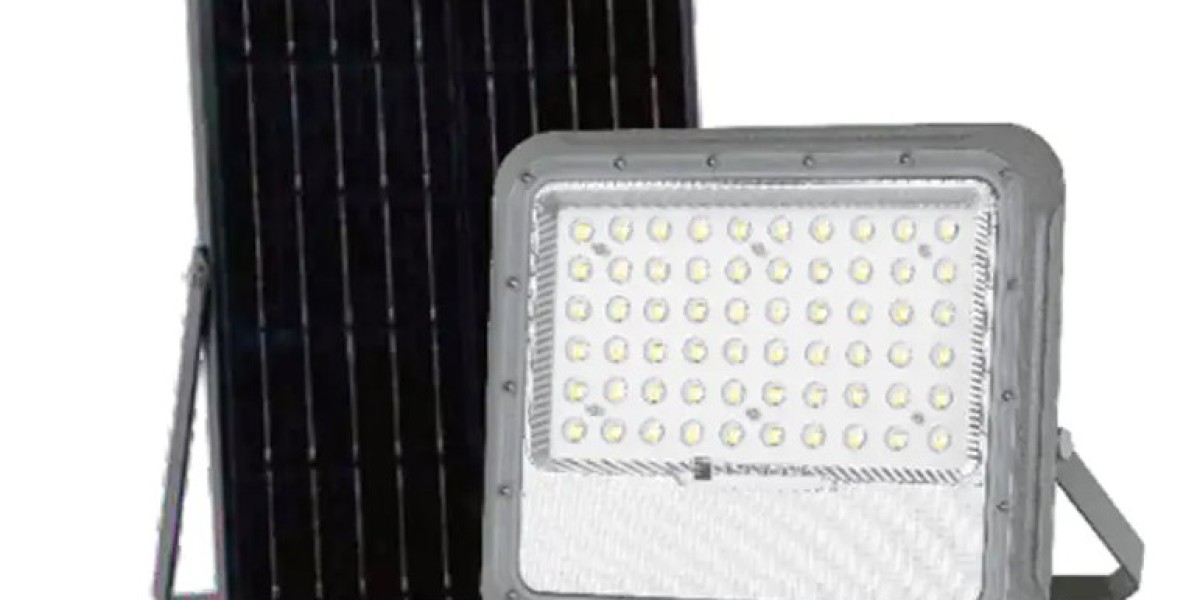
Outdoor electrical protection also requires attention. Depending on the product design, manufacturers may incorporate sealed cable connections, waterproof connectors, gasket structures, and protective housing designs. The rated ingress protection level should correspond to the actual installation conditions. Solar-powered Garden Light models introduce another configuration, combining photovoltaic panels, rechargeable batteries, and LED modules within one product system.
Garden Light product development brings together housing fabrication, LED integration, optical engineering, and electrical protection. With different mounting methods, materials, and lighting configurations, manufacturers can create product collections suited to varied landscape designs and architectural requirements.