
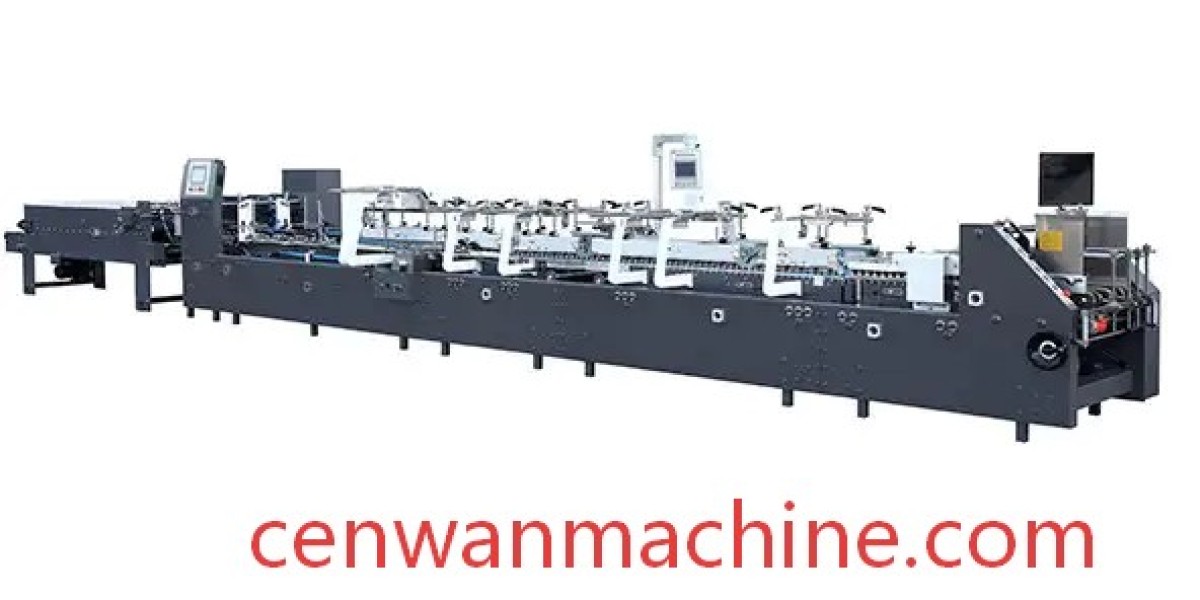
How Can a Box Folder Gluer Machine Maintain Stable Production Speed?
Carton manufacturing involves a sequence of connected operations, and production speed can fluctuate when feeding, folding, gluing, or delivery becomes inconsistent. A Box Folder Gluer Machine brings several stages together, so each section needs to work in coordination rather than operating independently. For manufacturers, stable output is not simply a matter of setting a fast operating rate, because material condition, carton structure, adhesive behavior, machine adjustment, and operator control can all influence the actual workflow. Cenwanmachine focuses on packaging machinery and carton processing equipment, giving manufacturers a practical reference when considering equipment for continuous production. So, what allows a folding and gluing system to maintain a steady working pace?
Coordinated Feeding Creates a Stable Starting Point
The feeding section provides the first connection between prepared carton blanks and the rest of the production process. If sheets enter the machine unevenly, the following folding and gluing stages may experience alignment problems that interrupt the workflow.
A controlled feeding system should maintain consistent sheet separation and transport. Paperboard condition, dimensions, surface finish, and stiffness can affect how blanks move through the equipment, which means operators need to prepare materials according to the requirements of the selected packaging format.
Storage conditions can also influence feeding behavior. Excessive moisture may alter paperboard flexibility, while extremely dry conditions can contribute to static-related issues. Keeping substrates in suitable surroundings before processing can help establish a steadier starting point.
Guide positioning deserves attention as well. When the carton blank is properly aligned before entering subsequent sections, folding points can follow their intended paths with less correction during operation.
Folding Accuracy Supports Continuous Operation
Folding is one of the central processes in carton production, and its stability has a direct relationship with overall output. When panels do not follow their intended creasing lines, operators may need to stop the process for adjustment or remove unsuitable cartons from the production flow.
Folding belts, rollers, guides, and pressure points need to correspond with the carton structure being processed. A straight-line carton can have different requirements from a package involving several folding panels or a specialized bottom structure.
Material thickness can also affect folding behavior. Lightweight paperboard may respond quickly to mechanical contact, while rigid stock can require carefully adjusted pressure and transport conditions. The objective is to create a smooth folding path without placing unnecessary stress on the material.
Consistent setup is therefore important when maintaining production continuity. Before a regular run begins, operators can check alignment, folding positions, material travel, and carton formation through sample production.
Adhesive Application Influences Workflow
Gluing is another important stage because inconsistent adhesive application can affect carton formation and create interruptions during manufacturing.
The adhesive system needs to deliver the appropriate glue quantity to the intended location. Excessive application may produce residue, while insufficient coverage can result in weak bonding. Either situation may require additional inspection or intervention.
Adhesive viscosity, temperature, substrate surface, and production conditions can influence application behavior. Coated paperboard and uncoated stock may interact differently with adhesive, so settings should correspond with the material being processed.
The condition of glue-related components also deserves routine attention. Residue around application areas can gradually influence distribution, while unsuitable adhesive preparation can affect the working process. Regular cleaning and inspection can therefore contribute to a consistent production environment.
Machine Settings Need to Match the Job
Production speed should not be considered separately from carton specifications. A machine processing a simple carton format may operate under different conditions from a project involving complex folds, heavier board, or specialized adhesive requirements.
Operators can establish suitable settings according to the material and package structure before beginning a production run. Guide positions, folding sections, pressure arrangements, and transport components may all require adjustment.
When a production line changes from one carton format to another, a controlled changeover can help reduce unnecessary interruptions. Clear adjustment procedures allow operators to prepare the equipment systematically rather than relying on repeated trial and error.
This approach is particularly useful for manufacturers handling customized packaging orders. Different customers may request different dimensions, board grades, printing finishes, or structural designs, so adaptable setup procedures can support a smoother workflow.
Material Preparation Has a Direct Effect
Paperboard is not a completely uniform material. Differences in thickness, stiffness, moisture content, coating, grain direction, and surface finish can influence machine behavior.
Before production, manufacturers can inspect sheets for warping, damaged edges, excessive moisture, or other conditions that may interfere with transport. Proper stacking also helps maintain an orderly feeding process.
Printed or coated surfaces may require careful handling to avoid marks during transport. Meanwhile, rigid materials may require different folding pressure from flexible stock. Recognizing these differences allows operators to prepare suitable machine conditions before the main production sequence begins.
Material consistency is especially valuable when maintaining a stable workflow. If the substrate changes unexpectedly during a run, feeding and folding conditions may need to be reconsidered.
Maintenance Helps Preserve Production Continuity
Regular maintenance is an essential part of packaging machinery management. Paper fibers, dust, adhesive residue, and mechanical wear can gradually affect moving sections if they are not addressed.
Feeding components should be inspected for contamination and wear. Folding belts and rollers can also require routine checks because their condition may influence material transport and folding accuracy.
The adhesive section deserves particular care. Dried glue or accumulated residue can interfere with application consistency, so cleaning procedures should follow the equipment manufacturer's recommendations.
Lubrication and mechanical inspection can also form part of a planned maintenance routine where applicable. Addressing small issues during scheduled checks can help prevent unexpected interruptions during larger production runs.
Maintenance should not only occur after a problem appears. A planned approach allows manufacturers to monitor equipment condition and prepare servicing activities around production schedules.
Operator Control Remains Important
Automation can coordinate several production stages, but operators still have an important role in maintaining stable operation. Correct setup, material preparation, inspection, and timely adjustment all contribute to the final workflow.
An experienced operator can recognize unusual feeding behavior, folding deviation, adhesive changes, or delivery problems before they develop into larger production interruptions. Clear operating procedures can also help different team members follow consistent preparation methods.
Training should cover machine controls, material handling, adjustment procedures, cleaning requirements, and basic troubleshooting. When operators understand how individual sections influence one another, they can respond to changes with greater consistency.
Production monitoring is equally useful. Checking carton formation and adhesive distribution at suitable intervals can help identify changes while there is still an opportunity to make an adjustment.
Choosing Suitable Packaging Machinery
Equipment selection should begin with the manufacturer's actual production requirements. Buyers can evaluate carton dimensions, paperboard characteristics, folding structures, adhesive methods, expected workload, changeover requirements, and available production space.
CenWanMachine provides packaging machinery for carton processing applications, giving businesses an opportunity to review equipment according to their particular manufacturing needs. The right configuration depends on the intended package rather than a single performance characteristic, so communication about materials and carton structures can be useful before purchasing.
For businesses exploring equipment options, the product page at https://www.cenwanmachine.com/ provides information about a folder gluer designed for stereo box applications, while the wider product range can help buyers examine related packaging machinery.
A suitable machine should fit the production process as a whole. Feeding, folding, adhesive application, compression, delivery, maintenance, and operator control all contribute to stable operation.
Building a Consistent Production Process
A stable packaging workflow comes from coordination between equipment, materials, operators, and maintenance practices. Setting a high operating rate alone does not guarantee continuous production, particularly when material preparation or machine adjustment has not been handled carefully.
The foundation begins with consistent feeding, followed by controlled folding and accurate adhesive application. Suitable pressure and transport conditions help the carton move through the system without unnecessary interruptions, while routine inspection provides opportunities to identify changes before they become disruptive.
For manufacturers handling different carton formats, adaptable settings are also important. Each new material or package structure may require a specific setup, making practical adjustment procedures valuable for everyday production.
When these elements are managed as a connected system, a Box Folder Gluer Machine can support an orderly production rhythm while accommodating the changing requirements of carton manufacturing. Careful material preparation, suitable configuration, regular maintenance, and attentive operation remain central to achieving dependable packaging production.


