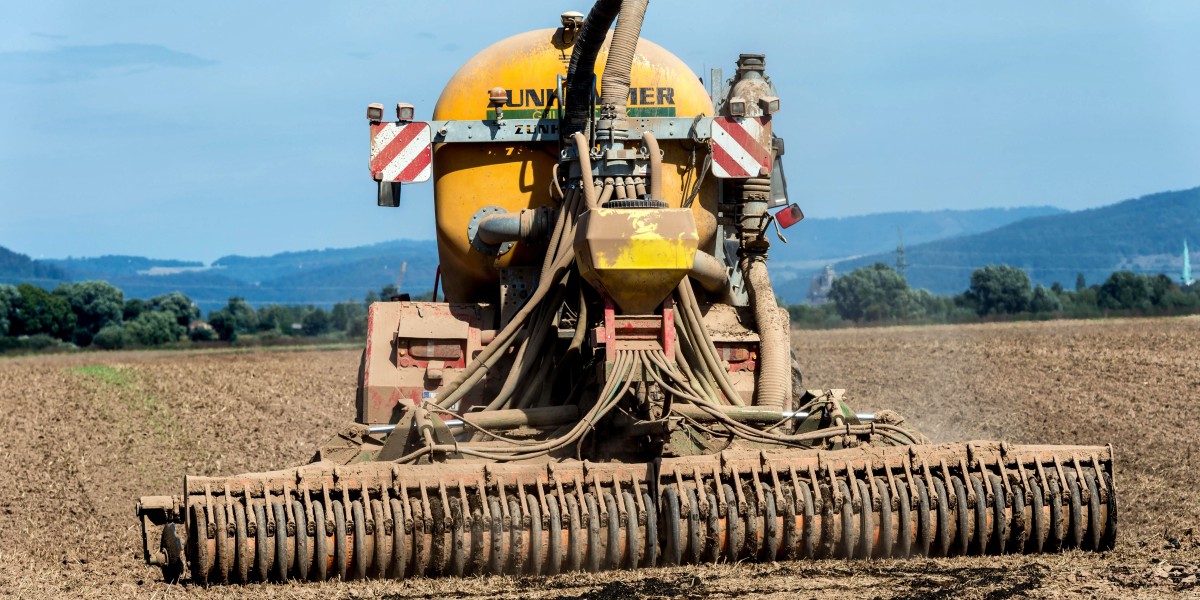
Modern agriculture requires effective crop management strategies that support healthy plant development while making responsible use of available resources. Farmers are increasingly focusing on early plant nutrition because the initial stages of crop growth influence how plants establish themselves in the field. Starter fertilizers have gained attention as a practical solution for supplying essential nutrients during this important development period.
The increasing adoption of precision crop nutrient management highlights how agricultural practices are changing. Instead of relying entirely on traditional fertilizer application methods, farmers are exploring more targeted approaches to plant nutrition. Starter fertilizers support this development by providing nutrients near seeds or young roots, helping plants access essential elements during their initial growth stages.
Changing Agricultural Requirements
Agricultural production faces several challenges, including changing weather conditions, soil fertility concerns, rising input costs, and increasing demand for food production. Farmers need approaches that support healthy crops while helping them manage available resources effectively.
Traditional fertilizer application remains important, but modern crop management increasingly considers the timing and placement of nutrients. Applying nutrients at suitable stages can help plants access them when they are needed.
Starter fertilizers are designed around this requirement. They provide nutritional support during early growth, helping young plants establish their root systems and develop healthy shoots.
How Starter Fertilizers Support Early Growth
Young plants have developing root systems that may not immediately reach nutrients located throughout the soil. Starter fertilizers help address this challenge by placing nutrients closer to the planting area.
Phosphorus supports root development and energy transfer, while nitrogen contributes to vegetative growth. Potassium plays an important role in plant physiological processes and helps maintain healthy plant functions.
The specific formulation depends on the crop, soil characteristics, and farming conditions. Farmers should consider these requirements before choosing a suitable fertilizer product.
Proper nutrient placement also matters. Fertilizer should be applied using methods that provide accessibility without creating unfavorable conditions for seeds or developing roots.
Integration With Precision Agriculture
Precision agriculture is becoming an important part of modern farming. It combines digital technologies, field information, and improved equipment to support more accurate agricultural decisions.
Soil testing helps farmers understand nutrient availability in different field areas. GPS-supported equipment and precision planting technologies can assist with accurate fertilizer placement.
Starter fertilizers complement these practices by allowing growers to focus on nutrient availability near developing plants. When combined with field observations and soil information, they can become part of a more organized nutrient management strategy.
These practices also encourage farmers to consider field variability instead of treating every agricultural area in exactly the same way.
Benefits for Different Farming Systems
Starter fertilizers can be incorporated into several farming systems, including conventional agriculture, conservation farming, and specialized crop production.
In conventional farming, they may be applied during planting to support early nutrient availability. In vegetable cultivation, they can help young transplants establish themselves after being introduced into the field.
Farmers working with different soil types may also consider starter fertilizer formulations that address specific nutrient requirements.
The overall objective is to create suitable conditions for early crop establishment while maintaining balanced soil fertility.
Product Development and Innovation
Fertilizer manufacturers continue exploring ways to improve product performance and application convenience. Product development includes formulations designed for different crop requirements, soil conditions, and farming equipment.
Liquid starter fertilizers are one option available to growers. They can be incorporated into suitable application systems and allow farmers to manage nutrient placement according to their planting practices.
Granular formulations also remain relevant because of their suitability for various agricultural applications.
Another area of interest involves fertilizer products designed to improve nutrient availability. These developments reflect the growing importance of matching fertilizer performance with crop requirements.
Environmental Considerations
Responsible fertilizer management is important for protecting soil and water resources. Excessive or poorly managed nutrient application can create environmental concerns and reduce the efficiency of agricultural inputs.
Starter fertilizers should therefore be selected and applied according to crop needs, soil conditions, and recommended agricultural practices.
Soil testing, correct placement, and proper timing can support better nutrient management. Farmers can also combine fertilizer applications with crop rotation, organic matter management, and other soil improvement practices.
Such an integrated approach helps balance crop nutrition with long-term agricultural sustainability.
Opportunities for Agricultural Growth
The development of modern farming technologies is creating opportunities for fertilizer manufacturers and agricultural professionals. Farmers are becoming more interested in products that support specific crop requirements and fit into efficient planting systems.
Starter fertilizers can benefit from this changing environment because they address an important part of crop development.
Product innovation, agricultural education, improved application equipment, and precision farming are expected to influence how these fertilizers are used in the future.
Conclusion
Starter fertilizers are contributing to the transformation of modern agricultural practices by supporting early plant nutrition and more targeted fertilizer application. Their integration with precision agriculture and improved crop management techniques creates opportunities for better nutrient planning. As farmers continue to focus on efficient and sustainable farming, starter fertilizers will remain an important part of agricultural development.
FAQs
Q1. How do starter fertilizers differ from regular fertilizers?
Starter fertilizers are specifically used to support early plant growth, whereas other fertilizers may be applied during different stages of crop development to meet changing nutritional requirements.
Q2. Can starter fertilizers be used with precision farming equipment?
Yes. Suitable starter fertilizer formulations can be applied using compatible precision planting and fertilizer application equipment.