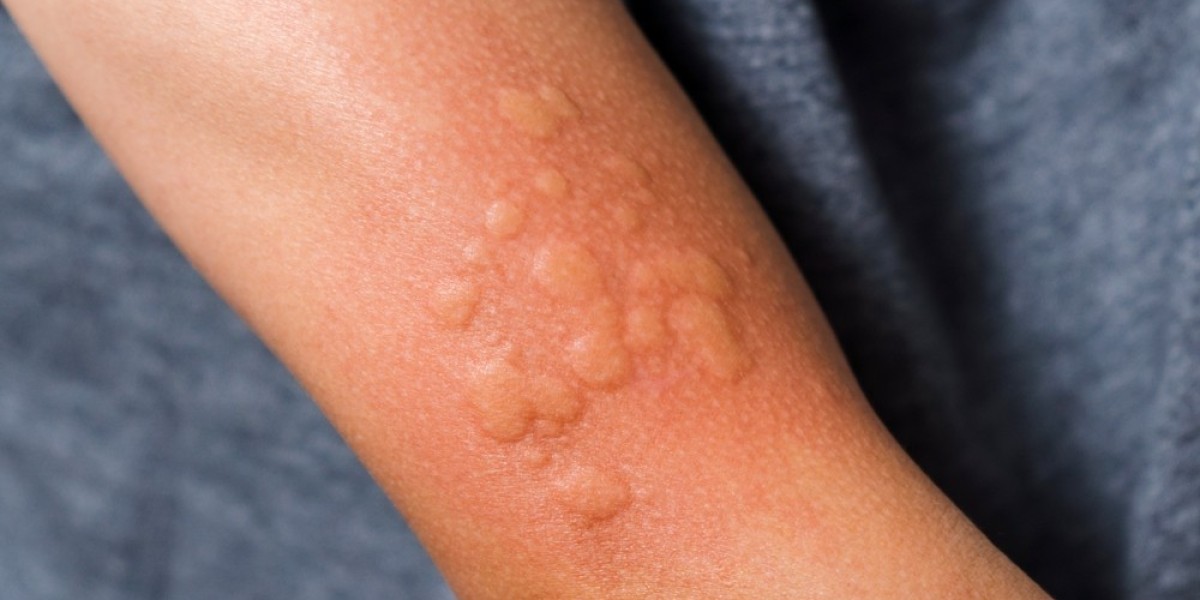
You step outside on a chilly morning and notice red, itchy bumps on your skin. Maybe you just held a cold drink or dipped your hand into cold water. Is it just a random rash? Or could it be Cold-Induced Urticaria?
Well, here's the thing. While many skin rashes are harmless and temporary, hives triggered by cold exposure can signal something more specific. In this blog, we'll break down what Cold-Induced Urticaria is, how to tell it apart from a common rash, which symptoms deserve attention, and what you can do about it. By the end, you'll have a clearer idea of when to relax and when to call your doctor.
What Is Cold-Induced Urticaria?
Before we jump to conclusions, let's understand what we're dealing with.
Cold-Induced Urticaria is a type of hive that appears after your skin is exposed to cold temperatures. It falls under a group called “physical urticaria,” which simply means hives triggered by a physical factor, in this case, cold.
How Does a Cold Trigger Skin Reaction?
When your skin encounters cold air, cold water, ice, or even a chilled object, your body may release histamine. That chemical release causes:
- Raised, red welts
- Itching
- Swelling
- A burning or stinging feeling
Symptoms usually appear within minutes of exposure. In many cases, the reaction settles once your skin warms up. However, the intensity can vary. Some people experience mild itching. Others may have more serious reactions.
So now the real question becomes how do you know it's not just a regular rash?
Is It Just a Rash? How to Tell the Difference
Not all red bumps mean Cold-Induced Urticaria. Skin reacts to many things such as heat, sweat, new soaps, stress, allergies, and even infections.
What Makes Cold-Induced Urticaria Different?
The biggest clue is timing.
A typical rash might:
- Develop gradually
- Last for several days
- Be linked to an irritant, allergy, or infection
On the other hand, Cold-Induced Urticaria usually:
- Appears quickly after cold exposure
- Shows up within minutes
- It improves as the skin warms up.
- Fades within a few hours
For example, if you notice hives after swimming in cold water or holding a frozen item, and they disappear once you're indoors, that pattern matters.
A Quick Self-Check (Not a Diagnosis)
You might be wondering if there's a simple way to tell. While only a doctor can confirm it, ask yourself:
- Do bumps appear after cold wind hits your face?
- Do your hands swell after holding something cold?
- Do symptoms ease once you warm up?
If the answer is yes more than once, it's worth paying attention. However, don't rely on guesswork alone. Especially if symptoms are getting stronger.
And that brings us to something more important than the rash itself, the warning signs.
Symptoms You Shouldn't Ignore
Cold-Induced Urticaria doesn't always stop at itchy skin. While many cases remain mild, some reactions go deeper.
Mild Symptoms
Most people notice:
- Raised, itchy welts (hives)
- Redness
- Swelling in exposed areas
- A prickly or burning sensation
These symptoms usually stay limited to the skin and settle within hours.
Warning Signs of a More Serious Reaction
However, in some cases, the body reacts more strongly. This can include:
- Swelling of lips or tongue
- Throat tightness
- Dizziness
- Rapid heartbeat
- Trouble breathing
- Fainting
Cold water immersion is particularly risky. Jumping into a cold pool or ocean can trigger a widespread reaction, not just a small patch of hives.
If you ever feel lightheaded or short of breath after cold exposure, treat it urgently. That kind of reaction can escalate quickly.
Now you may ask why does this even happen?
What Causes Cold-Induced Urticaria?
In many cases, doctors can't pinpoint an exact cause. This is called “idiopathic,” which simply means no clear underlying reason.
Is There a Clear Trigger?
Sometimes, Cold-Induced Urticaria develops after:
- A viral or bacterial infection
- An immune system issue
- Certain blood-related conditions
That said, many people develop it without any obvious trigger. It can appear suddenly, even if you've tolerated cold weather your entire life. That part can feel frustrating.
Who Is More at Risk?
Young adults tend to report it more often. However, it can happen at any age.
Rarely, there's a family-linked form. But most cases are acquired rather than inherited.
If symptoms keep returning, guessing won't help much. A proper evaluation by a dermatologist makes all the difference.
How Is Cold-Induced Urticaria Diagnosed?
Your doctor will start with your medical history. They'll ask about:
- When symptoms occur
- How long do they last?
- Whether you've had swelling or breathing issues
They may perform something called an “ice cube test.” In simple terms, a cold object is placed on your skin for a few minutes. If a hive forms after it's removed, that supports the diagnosis.
However, don't try aggressive testing at home, especially if you've had strong reactions before.
Treatment and Daily Management
Living with Cold-Induced Urticaria can feel limiting at first. But many people manage it successfully with the right steps.
Medical Treatment Options
Doctors often recommend:
- Daily non-drowsy antihistamines
- Adjust doses if needed.
- In rare cases, additional medications
Treatment plans vary. What works for one person may not work for another. So regular follow-ups matter.
Practical Ways to Reduce Reactions
Small adjustments can lower your risk:
- Dress in layers during cold weather
- Cover exposed skin in windy conditions
- Avoid sudden jumps into cold water
- Test pool temperature slowly
- Warm up gradually after being outside
If you've had a severe reaction, your doctor may prescribe emergency medication. It's better to have it and not need it than the other way around.
Over time, some people notice improvement. Others manage it long-term. Either way, awareness gives you control.
When Should You See a Doctor?
You don't need to panic over one mild episode. However, don't ignore patterns.
See a healthcare provider if:
- Hives appear repeatedly after cold exposure
- Swelling affects your face or throat
- You feel dizzy or faint
- Reactions seem stronger each time
- Symptoms interfere with daily life
Early evaluation can prevent serious complications later. And honestly, it's better to know than to keep guessing.
Conclusion
Not every rash is serious. Sometimes, your skin simply reacts to irritation or dryness. However, if red, itchy bumps consistently follow cold exposure, you may be dealing with Cold-Induced Urticaria.
The key is pattern recognition. Quick onset after cold contact, relief with heat, and recurring episodes all point toward this condition. Furthermore, warning signs like swelling or breathing difficulty should never be ignored.
With proper diagnosis, treatment, and a few lifestyle adjustments, most people manage Cold-Induced Urticaria safely. So, if your “simple rash” keeps showing up after cold weather or cold water, listen to your body. It might be telling you something important.