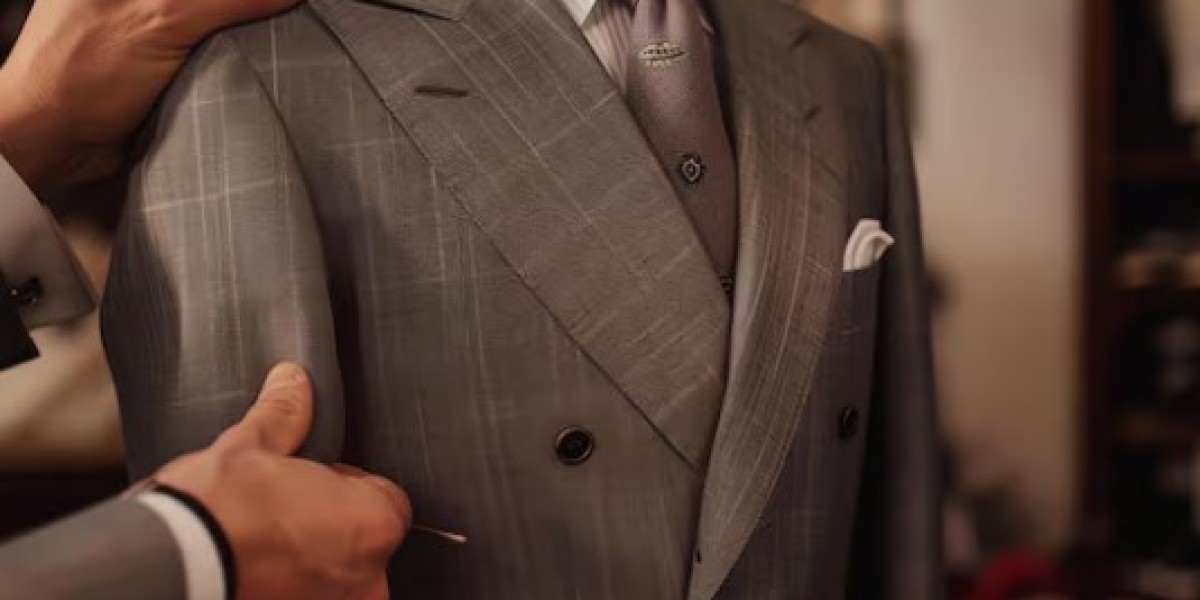
The demand for handmade suits in Bangkok is closely connected with the city's long tailoring tradition. A handmade suit is created through several individual steps instead of following standard ready-made sizes. Therefore, the process focuses on measurements, personal preferences, fabric, and detailed finishing. For Bangkok residents and visitors, this approach can be useful when a suit needs a specific fit or design. In addition, customers can discuss practical requirements with a tailor before production begins. Understanding each stage can help people make informed choices without relying only on appearance.
Starting With Measurements and Design
The tailoring process normally starts with a discussion about the suit's purpose. For example, a business suit may require a different structure from a wedding or evening suit. After that, measurements are taken across important areas, including the shoulders, chest, waist, sleeves, and trousers.
The tailor then considers the preferred jacket shape and other design details. Lapels, pockets, buttons, vents, trouser cuts, and lining can all affect the final appearance. However, these elements should complement the wearer's proportions. A simple design can often remain practical for several occasions, while more distinctive details may suit specific events.
Selecting Suitable Fabric
Fabric plays an important role when creating handmade suits in Bangkok because the city's climate is generally hot and humid. Consequently, breathable and lightweight materials can be more comfortable for everyday use.
Lightweight wool is commonly considered for formal business clothing because it can maintain a structured appearance. Linen and linen-blend fabrics, meanwhile, may provide better airflow for relaxed settings. Cotton blends can also be considered when comfort and casual styling are priorities.
Besides weight, people should consider color, texture, durability, and maintenance. A fabric that looks attractive in a showroom may not always be practical for frequent use in Bangkok's weather.
Why Fittings Matter
One major difference between handmade and ready-made suits is the opportunity for fittings and alterations. After the fabric has been cut and partially constructed, the suit can be checked against the wearer's body.
During a fitting, the tailor may examine the shoulder position, jacket length, sleeve length, chest area, waist, and trouser shape. If something requires adjustment, changes can be made before final finishing. As a result, fittings can help improve comfort and balance.
Furthermore, clear communication during fittings is useful. Explaining whether the suit will be worn mainly for work, travel, ceremonies, or social events can help determine practical adjustments.
Considering Long-Term Use
A handmade suit should not only look appropriate when first completed. Its fabric, construction, and design can influence how useful it remains over time. Neutral colors and classic cuts can provide greater flexibility, while stronger patterns can create a more distinctive appearance.
People researching handmade suits in Bangkok can therefore compare tailoring methods, materials, fitting stages, and finishing details before making a decision. This information provides a clearer understanding of what goes into a tailored garment. For those exploring Bangkok's tailoring landscape, Louis Collections Bangkok is a local name that can be researched alongside other tailoring options.