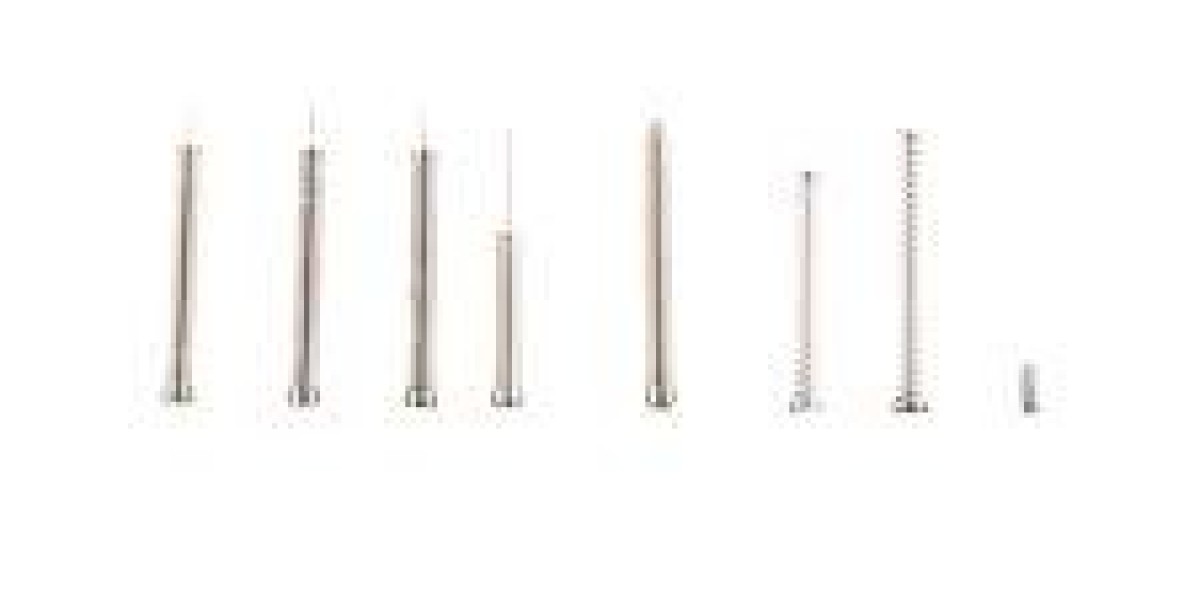
A valve spring snaps inside an engine after hundred thousand cycles. The broken surface reveals a smooth crack origin that grew slowly until final fracture. This failure started at a microscopic scratch on the wire surface. A Precision Compression Spring like Ndlspr, produced by Ningdeli Spring, receives shot peening treatment to prevent such failures. Yet many buyers order springs without specifying this critical process. This situation raises a direct question for any engineer specifying springs: how does shot peening improve the surface integrity and fatigue resistance of a precision compression spring?
The shot peening process bombards the spring's surface with small spherical media. Each impact creates a tiny dent. The metal beneath each dent compresses in a permanent way. This compressive stress layer opposes tensile stresses that appear when the spring compresses and extends. A Precision Compression Spring with high surface compression resists crack formation. Cracks cannot open under load because the surrounding metal squeezes them shut.
Microscopic surface defects disappear under peening coverage. A ground or polished spring still shows machining marks and scratches. These linear grooves act as stress risers during cycling. Shot peeningblinds these imperfections by plastic deformation. The original scratch remains underneath, but the peened surface covers it with compressive material. A crack originating at a deep scratch must first push through this compressed layer, requiring extra energy that extends spring life.
Surface hardness increases through the peening action. Repeated impacts work harden the outer layer of the spring wire. Harder surfaces resist wear from adjacent coil contacts. A precision compression spring in an automotive suspension repeatedly rubs against itself during compression. A peened surface maintains its integrity longer than an unpeened surface. This wear resistance preserves the wire's original diameter, maintaining spring rate accuracy.
Residual stress depth matters as much as intensity. A shallow compressive layer provides little protection against deep scratches. Ndlspr controls shot size, velocity, and coverage time to achieve specified stress depths. A spring for high cycle applications receives longer peening with finer media. A heavy duty spring handling impact loads receives larger shot that creates deeper compression. The factory matches peening parameters to each spring model's failure mode.
Fatigue testing confirms peening effectiveness. Ndlspr runs sample springs through millions of cycles on test rigs. A peened precision compression spring often shows twice the fatigue life of an identical unpeened spring. The improvement varies with material type and stress levels. High strength spring steels benefit most from peening, as they resist the compressive layer's relaxation. Lower strength alloys show moderate gains but still outperform unpeened versions.
Corrosion resistance gains from peening surprise many engineers. The compressive surface layer prevents micro cracks from opening and trapping corrosive fluids. A peened precision compression spring exposed to salt spray or humidity retains its material integrity longer. Cracks that would allow moisture penetration into the subsurface stay clamped shut. This benefit proves valuable in outdoor equipment and marine applications.
Surface finish after peening affects assembly performance. A heavily peened spring feels matte rather than smooth. This texture holds lubricant across the wire surface. A precision compression spring in a guide tube slides with less friction when peened. The oil film remains in the peened dimples, reducing metal to metal contact. Ndlspr offers secondary finishing options for applications requiring smooth surfaces after peening.
For any design requiring maximum spring reliability, https://www.ndlspr.com/ shows Ndlspr's shot peening capabilities, where Ningdeli's engineers select media and intensity for each precision compression spring application. A peened spring costs slightly more than an unpeened spring. A spring that never fails in service saves replacement costs and downtime. Why accept untreated surfaces when compressive stress doubles your safety margin?