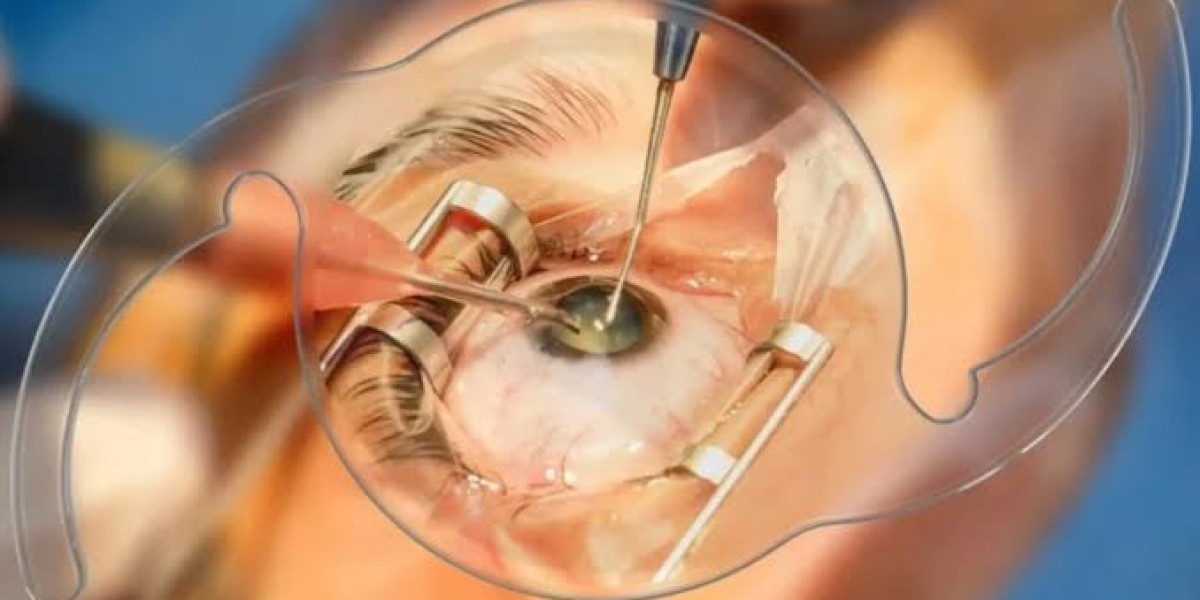
When cataracts begin to affect reading, driving, working, or other daily activities, surgery may be recommended. Choosing the best cataract surgeon in dubai can help patients understand their condition, explore suitable treatment options, and receive proper care before and after surgery.
What Is a Cataract?
A cataract is a clouding of the natural lens of the eye. The lens normally helps focus light onto the retina, allowing us to see clear images. When the lens becomes cloudy, light cannot pass through it properly.
Cataracts usually develop slowly. At first, a person may not notice major changes in vision. As the cataract becomes more advanced, vision may become blurry or hazy.
Cataracts are more common with age, but they can sometimes develop earlier due to certain health conditions, eye injuries, long-term use of some medicines, or previous eye surgery.
A cataract does not mean that a person will suddenly lose vision. In most cases, vision changes happen gradually. However, leaving a cataract untreated when it is affecting daily life can make normal activities more difficult.
Common Symptoms of Cataracts
Cataract symptoms can be different from one person to another. Some people notice only small changes at first, while others may experience more noticeable vision problems.
Common symptoms include:
- Blurry or cloudy vision
- Difficulty seeing at night
- Increased sensitivity to bright lights
- Glare around headlights or lamps
- Seeing halos around lights
- Faded or less bright colours
- Frequent changes in glasses prescription
- Difficulty reading small print
- Problems with driving, especially at night
- Double vision in one eye in some cases
These symptoms can also occur with other eye conditions. Therefore, a complete eye examination is important before deciding on treatment.
What Causes Cataracts?
Age is one of the main factors linked to cataract development. As the eye ages, proteins in the natural lens can change and become less transparent.
However, age is not the only possible cause.
Other factors that may increase the risk of cataracts include:
Ageing
The risk of cataracts generally increases as people get older. This is a natural part of the ageing process for many people.
Diabetes
People with diabetes may have a higher risk of developing cataracts. Keeping blood sugar under control can be an important part of overall eye health.
Eye Injury
An injury to the eye can sometimes damage the natural lens and lead to a cataract.
Certain Medicines
Long-term use of some medicines, including corticosteroids, may increase the risk of cataracts. Patients should always discuss long-term medication use with their doctor.
Sun Exposure
Long-term exposure to ultraviolet light may contribute to changes in the eye. Wearing sunglasses that provide suitable UV protection can help protect the eyes from excessive sunlight.
Smoking
Smoking is associated with a higher risk of several eye problems, including cataracts.
When Should You Consider Cataract Surgery?
A cataract does not always need to be removed immediately after it is diagnosed. In the early stages, changes to glasses or better lighting may help with some vision difficulties.
Surgery is generally considered when the cataract begins to interfere with normal activities and affects quality of life.
For example, surgery may be discussed if you are having difficulty:
- Reading
- Driving
- Working
- Watching television
- Recognising faces
- Using a computer or phone
- Moving safely in unfamiliar places
- Performing everyday household activities
The decision should be based on your vision, symptoms, lifestyle, and overall eye health rather than age alone.
What Happens During Cataract Surgery?
Cataract surgery is performed to remove the cloudy natural lens and replace it with an artificial lens called an intraocular lens, or IOL.
Before surgery, the eye is carefully examined. Measurements are taken to help determine the appropriate lens option for the patient.
During the procedure, the cloudy lens is gently removed using a small incision. A suitable artificial lens is then placed inside the eye.
The procedure is commonly performed using local or topical anaesthesia, depending on the patient's needs and the surgical plan.
Most cataract procedures are relatively short, and many patients can return home on the same day. However, the exact process can vary depending on the patient's eye condition and the healthcare facility.
What Is an Intraocular Lens?
An intraocular lens is an artificial lens that replaces the eye's cloudy natural lens after cataract removal.
Different types of IOLs are available. The most suitable option depends on factors such as:
- Existing vision
- Eye health
- Lifestyle
- Previous eye conditions
- Need for distance or near vision
- Astigmatism
- Personal expectations
Some patients may be suitable for standard monofocal lenses, while others may be candidates for different lens technologies.
The choice should be made after a detailed eye examination and discussion with the eye surgeon.
Types of Intraocular Lenses
Monofocal Lenses
Monofocal lenses are designed to provide clear vision at one main distance, commonly distance vision. Some patients may still need glasses for reading or other close-up activities.
Multifocal Lenses
Multifocal lenses are designed to provide vision at more than one distance. They may reduce dependence on glasses for some activities, although they are not suitable for everyone.
Extended Depth of Focus Lenses
These lenses are designed to provide a wider range of clear vision. They may be considered for selected patients based on their eye health and visual needs.
Toric Lenses
Toric lenses are designed to correct astigmatism. They may be recommended for patients who have significant corneal astigmatism.
Not every lens type is appropriate for every patient. A detailed assessment is necessary before choosing an IOL.
How Is a Patient Prepared for Cataract Surgery?
Preparation begins with a complete eye examination.
The surgeon may check:
- Visual acuity
- Eye pressure
- Corneal measurements
- The condition of the natural lens
- Retina and optic nerve health
- Existing eye diseases
- General medical history
Special measurements may also be performed to calculate the appropriate IOL power.
Patients should provide information about their current medicines and any existing medical conditions. They should also tell their doctor about previous eye surgeries or injuries.
Following the instructions provided by the healthcare team can help make the process smoother.
What Can You Expect After Cataract Surgery?
Vision may begin to improve soon after surgery, but complete healing can take time.
Some people may experience mild symptoms during the early recovery period, such as:
- Mild irritation
- Watery eyes
- Temporary blurred vision
- Light sensitivity
- A feeling that something is in the eye
These symptoms often improve as the eye heals.
Patients are usually given eye drops after surgery. These may help reduce inflammation and lower the risk of infection. It is important to use the prescribed drops exactly as instructed.
Cataract Surgery Recovery
Recovery can be different for each patient.
During the early recovery period, patients may be advised to avoid rubbing or pressing on the eye. They may also need to take care when washing their face or performing activities that could expose the eye to dust or contamination.
The surgeon will provide specific instructions based on the procedure and the patient's condition.
Follow-up appointments are important because they allow the doctor to check how the eye is healing and whether vision is improving as expected.
Benefits of Cataract Surgery
Cataract surgery can provide several benefits when a cloudy lens is significantly affecting vision.
Potential benefits include:
- Clearer vision
- Better ability to read
- Improved night vision
- Better colour perception
- Greater independence during daily activities
- Improved ability to drive, when medically appropriate
- Better overall quality of life
The results can vary depending on the health of the eye and whether other eye conditions are present.
For example, conditions affecting the retina, optic nerve, or cornea may also affect the final visual outcome.
Is Cataract Surgery Safe?
Cataract surgery is a commonly performed eye procedure, but like any surgery, it has potential risks.
Possible complications can include infection, inflammation, bleeding, changes in eye pressure, retinal problems, or other vision-related issues. Serious complications are uncommon, but patients should understand the possible risks before treatment.
A detailed assessment helps the surgeon identify factors that may affect the procedure or recovery.
Patients should also follow all post-operative instructions and attend scheduled follow-up appointments.
How to Choose a Cataract Surgeon in Dubai
Choosing an eye surgeon is an important decision. Patients should look beyond general claims and focus on factors that can help them make an informed choice.
Check Qualifications
Look for an appropriately qualified and licensed ophthalmologist with relevant training in cataract surgery.
Consider Experience
Experience with cataract procedures can be an important factor. Patients can ask about the surgeon's experience with the type of cataract surgery or lens option being considered.
Understand the Treatment Plan
A good consultation should explain the diagnosis, available treatment options, expected benefits, possible risks, and recovery process.
Ask About Lens Options
There are several IOL options. Ask which lenses may be suitable and why a particular option has been recommended.
Review the Pre-Surgery Assessment
A detailed eye examination is important before cataract surgery. Accurate measurements help with surgical planning and lens selection.
Discuss Recovery
Patients should understand what to expect after surgery, including eye drops, follow-up visits, restrictions, and the expected timeline for vision improvement.
Questions to Ask Before Cataract Surgery
Before making a decision, you can ask your surgeon questions such as:
- How advanced is my cataract?
- Is surgery recommended now?
- What type of cataract procedure is suitable for me?
- Which IOL options are available?
- Will I still need glasses after surgery?
- What are the possible risks?
- How long will recovery take?
- When can I return to work?
- When can I drive again?
- How many follow-up visits will I need?
Clear answers can help you feel more confident about your treatment plan.
Why Regular Eye Examinations Matter
Regular eye examinations are useful even when you do not have obvious vision problems.
An eye examination can identify cataracts as well as other conditions that may affect vision. Some eye diseases may develop without noticeable symptoms during the early stages.
People with diabetes, a family history of certain eye conditions, previous eye injuries, or other risk factors may need regular monitoring based on their doctor's advice.
Early identification allows patients to understand changes in their vision and discuss appropriate management.
Cataract Surgery and Daily Life
Cataracts can affect much more than eyesight. Poor vision may make everyday activities harder and may reduce confidence.
For older adults, difficulty seeing clearly can affect mobility and independence. Night-time glare may make driving uncomfortable. Reading and using digital devices may also become more difficult.
When a cataract is the main cause of these problems, surgery may help improve visual function.
However, patients should have realistic expectations. Cataract surgery removes the cloudy lens, but it cannot necessarily correct every eye condition or guarantee perfect vision without glasses.
Can Cataracts Be Prevented?
There is no guaranteed way to prevent all cataracts because ageing is a major risk factor. However, healthy habits may support overall eye health.
Some useful measures include:
- Protecting your eyes from excessive UV exposure
- Managing diabetes and other health conditions
- Avoiding smoking
- Eating a balanced diet
- Wearing suitable eye protection during activities that could cause injury
- Having regular eye examinations
These steps do not guarantee that cataracts will not develop, but they can contribute to better overall eye health.
When to Seek Professional Eye Care
Do not ignore changes in vision, especially if they are affecting your daily activities.
You should consider an eye examination if you notice persistent blurry vision, increasing glare, difficulty seeing at night, frequent changes in your glasses prescription, or other changes in eyesight.
Sudden changes in vision, severe eye pain, sudden flashes or floaters, or a sudden loss of vision require prompt medical attention because these symptoms may have causes other than cataracts.
Conclusion
Cataracts are a common cause of cloudy or blurred vision, particularly as people get older. Although cataracts often develop slowly, they can eventually affect reading, driving, work, and everyday activities.
Cataract surgery involves removing the cloudy natural lens and replacing it with an artificial intraocular lens. Modern lens options can be selected according to a patient's eye health, vision needs, and lifestyle.
If you are considering cataract treatment, choosing the best cataract surgeon in Dubai should involve looking at qualifications, experience, treatment options, detailed assessment, patient communication, and follow-up care rather than relying on a single factor.
For patients seeking professional guidance for cataract evaluation and treatment, Dr. Mandeep Lamba can help assess the condition and discuss suitable options based on individual eye health and visual needs. A proper eye examination is the first step toward understanding whether cataract surgery is appropriate for you.