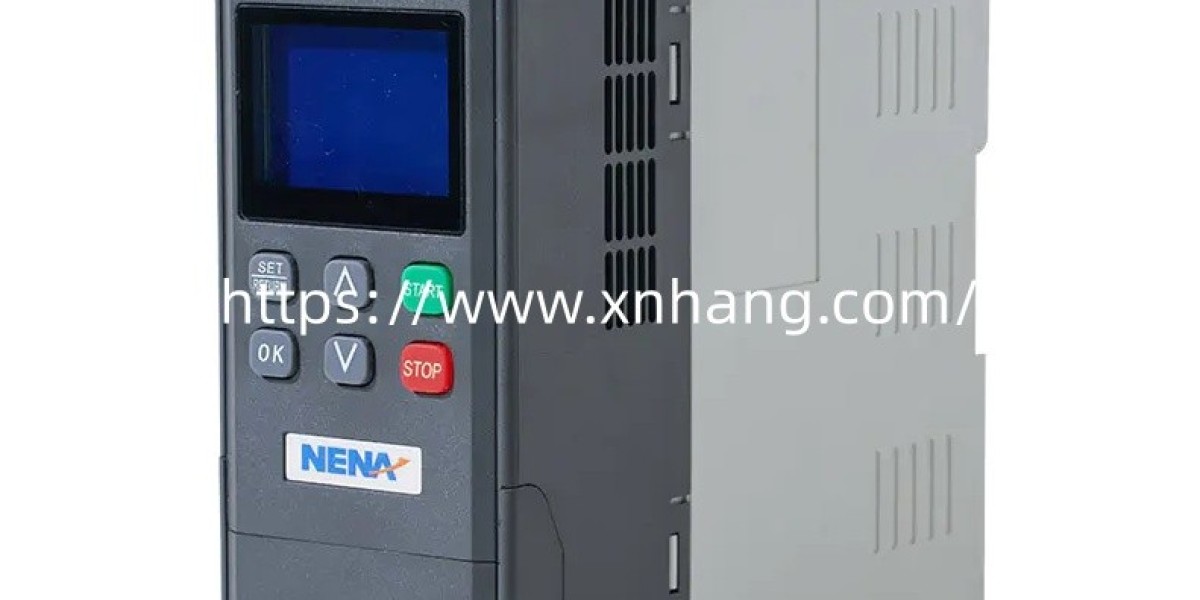
Bypass Soft Starter technology is widely used in industrial motor control systems to improve energy efficiency during operation. In many traditional motor setups, energy loss can occur during both startup and running phases due to unstable current flow or inefficient switching between control states. By introducing a bypass mechanism after the motor reaches stable speed, the system helps reduce unnecessary power loss and supports smoother long-term operation.
In a typical motor startup process, controlled voltage is applied gradually to reduce mechanical and electrical stress. Once the motor reaches normal operating speed, the bypass function activates and allows current to flow directly through a lower resistance path. This reduces heat generation and improves overall electrical efficiency during steady operation.
Many industrial systems benefit from this approach, especially in environments where motors run continuously for long periods. Equipment such as pumps, compressors, and conveyor systems often require stable operation after startup. Without a bypass function, control components may continue to consume energy even when not needed for speed regulation, which can lead to reduced efficiency over time.
By shifting the power flow after startup, the system reduces unnecessary energy conversion inside control circuits. This helps minimize losses that typically occur in semiconductor components during extended operation. As a result, more electrical energy is directed toward actual motor output rather than control processing.
Another advantage is improved thermal management. When electrical components operate continuously under load, heat generation can become a concern. By reducing the load on control elements during steady-state operation, the system helps maintain lower operating temperatures, which contributes to more stable long-term performance.
In manufacturing environments, energy efficiency is an important factor in overall operational cost management. Motors often represent a significant portion of total energy consumption in production facilities. By using optimized control methods that include bypass functionality, factories can improve energy distribution without changing core mechanical systems.
Xinhang focuses on providing practical motor control solutions designed for industrial applications. The system design emphasizes stable switching behavior and reliable operation across different load conditions. By supporting efficient transition between startup and running modes, it helps improve overall energy utilization in daily operations.
In addition to energy considerations, operational stability is also an important factor. Smooth transition between control stages helps reduce electrical fluctuations, supporting consistent performance across interconnected systems. This is particularly important in production lines where multiple machines operate simultaneously.
Over time, improved energy efficiency can also contribute to reduced system wear. When electrical components operate under more balanced conditions, stress on internal circuits is reduced. This can support longer service cycles and more predictable maintenance planning in industrial environments.
Overall, bypass-based motor control represents a practical approach to improving energy usage while maintaining stable operational performance in modern industrial systems.More technical information and product details can be found at https://www.xnhang.com/